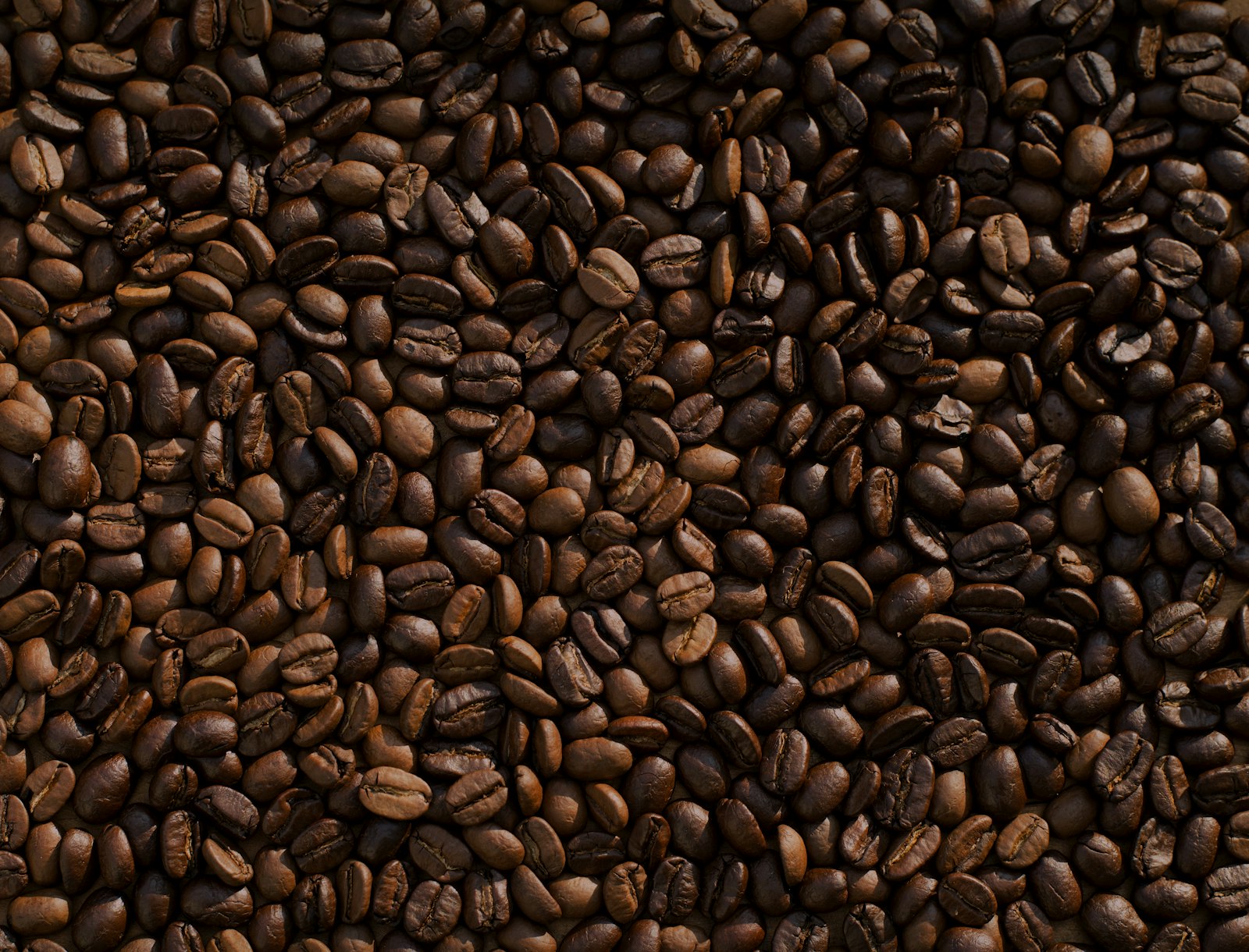
Coffee and Antioxidants: What the Science Says
You’ve probably heard coffee described as a source of antioxidants — often in the same breath as blueberries or green tea. It’s one of those health claims that gets repeated so often it starts to feel like marketing. But there’s real science underneath it. Understanding coffee antioxidants — what they actually are, how they work in the body, and why your morning cup is one of the bigger sources of them in a typical diet — turns a vague buzzword into something genuinely interesting. This is an accessible tour of the chemistry, no lab coat required.
What Antioxidants Actually Are
To understand antioxidants, you first need to meet their opposite: free radicals. A free radical is simply a molecule with an unpaired electron, which makes it unstable and eager to react. Your body produces free radicals constantly as a normal byproduct of turning food and oxygen into energy, and you also pick them up from the outside world — pollution, UV light, and so on.
In small amounts, free radicals are part of normal biology. The trouble comes when there are too many of them relative to the body’s defenses, a state researchers call oxidative stress. Excess free radicals can react with and damage important molecules, including DNA, proteins, and the fats in your cell membranes. Over a lifetime, that kind of cumulative damage is one of the processes scientists associate with aging and with a range of chronic diseases.
Antioxidants are the counterbalance. An antioxidant is a molecule that can safely neutralize a free radical — essentially by donating an electron to stabilize it — without becoming dangerously reactive itself. Think of them as molecular peacekeepers, defusing reactive molecules before they cause damage. Your body makes some of its own, and you get many more from your diet.
The Antioxidants in Your Coffee
Coffee isn’t a single compound; it’s a remarkably complex brew containing hundreds of substances. Among them is a rich supply of plant compounds called polyphenols, and these are where most of coffee’s antioxidant activity comes from.
Chlorogenic Acids: Coffee’s Signature Compounds
The headline antioxidants in coffee are a family of polyphenols called chlorogenic acids. These are abundant in the raw coffee bean and are among the most studied compounds in coffee science. In the body, chlorogenic acids show antioxidant behavior, and researchers have been particularly interested in how they may influence the way the body handles sugar and metabolism — though the full picture is still being worked out.
Chlorogenic acids are also partly responsible for some of the flavors you taste. They contribute to coffee’s perceived acidity and bitterness, which means the antioxidants in your cup and its flavor are quietly linked.
Melanoidins: Born in the Roast
Not all of coffee’s antioxidants exist in the green bean. Some are created during roasting. As beans roast, a cascade of browning reactions — the same family of chemistry that browns toast and seared meat — produces large molecules called melanoidins. These give dark-roasted coffee much of its color and body, and they carry antioxidant activity of their own. In other words, the roasting process doesn’t just destroy compounds; it builds new beneficial ones too.
Caffeine’s Supporting Role
Caffeine, coffee’s most famous ingredient, has some antioxidant properties as well, though it’s a minor player compared with the polyphenols. Importantly, this means decaffeinated coffee still delivers a meaningful dose of antioxidants — the chlorogenic acids and melanoidins largely survive the decaffeination process. If you’ve ever wondered how the caffeine is removed while leaving the rest of the bean intact, our explainer on how decaf coffee is made walks through it.
Why Coffee Punches Above Its Weight
Here’s the part that surprises people. Gram for gram, plenty of fruits and vegetables are more antioxidant-dense than coffee. Yet in many populations, coffee ranks as one of the single largest sources of antioxidants in the overall diet. How can both be true?
The answer is quantity and habit. Most people don’t eat large servings of the most antioxidant-rich foods every day, but a great many people drink coffee daily, often more than one cup. When you add up those repeated servings, coffee ends up contributing a significant share of the antioxidants the average person consumes — not because any single cup is extraordinary, but because of how consistently it shows up. It’s a reminder that diet is about patterns over time, not any one superfood.
What the Research Does — and Doesn’t — Say
It’s worth being careful here, because antioxidant claims are easy to overstate. Large observational studies have repeatedly found that moderate coffee drinkers tend to have lower rates of several chronic conditions than non-drinkers. That’s a consistent and genuinely encouraging pattern, and coffee’s antioxidant content is one of the leading explanations researchers explore.
But two important cautions apply. First, this kind of research shows association, not proof of cause. People who drink moderate coffee differ from those who don’t in many ways, and untangling coffee’s specific contribution is genuinely hard. Second, the antioxidants in coffee are just one piece of a very complex beverage — it would be a mistake to credit everything to them alone. For a broader look at the balance of benefits and trade-offs, see our overview on whether coffee is good for you.
The reasonable takeaway isn’t that coffee is medicine. It’s that, for most healthy adults, moderate coffee consumption fits comfortably within a healthy diet and brings a useful dose of beneficial plant compounds along for the ride. That’s a more modest claim than the headlines, and a more honest one.
Does How You Make Coffee Change the Antioxidants?
To a degree, yes. Because antioxidants like chlorogenic acids are extracted from the grounds into the water, brewing variables can shift how much ends up in your cup. Factors like the roast level, how finely you grind, the water temperature, and how long the coffee is in contact with water all influence extraction. If you want to understand the mechanics behind that, our piece on coffee extraction covers how flavor — and the compounds along with it — make their way out of the grounds.
The Roast Level Question
Roast level is the variable people ask about most. It’s a genuine trade-off rather than a simple “lighter is better.” Lighter roasts retain more of the original chlorogenic acids, since those compounds break down progressively as roasting continues. Darker roasts, on the other hand, develop more melanoidins from the browning reactions. So the antioxidant profile shifts as you move from light to dark, rather than simply disappearing. Both light and dark roasts contribute antioxidants; they just bring a somewhat different mix. If you’re curious how roasting transforms the bean from green to brown, our guide to coffee roast levels explains what’s happening at each stage.
The practical message: don’t agonize over choosing the “most antioxidant” roast. The roast you actually enjoy and drink regularly will contribute far more to your diet than a theoretically optimal one sitting unused in the cupboard.
How to Get the Most From Your Cup
If you want to make the antioxidant side of coffee work for you, the advice is refreshingly ordinary:
- Drink it the way you enjoy it. Consistency matters more than chasing a perfect brew method. The coffee you look forward to is the one you’ll actually keep drinking.
- Keep an eye on what you add. Coffee itself is nearly calorie-free. Loading it with large amounts of sugar and syrups can offset the benefits of an otherwise healthy habit, so let the coffee do more of the talking.
- Moderation is the sweet spot. For most healthy adults, a few cups a day sits in the range associated with the favorable patterns in the research — without overdoing caffeine.
- Decaf still counts. If caffeine doesn’t agree with you, decaffeinated coffee still delivers the polyphenols. You’re not missing out on the antioxidant side by skipping the buzz.
The Bottom Line
Coffee’s reputation as an antioxidant source is well earned, even if the marketing version oversimplifies it. The real story is a complex brew of polyphenols — chlorogenic acids carried over from the green bean, melanoidins forged in the roast, and a minor assist from caffeine — that together give your daily cup genuine antioxidant activity. And because coffee is something so many people drink consistently, it ends up being one of the larger contributors of these compounds in a typical diet.
None of that makes coffee a cure for anything, and it’s worth keeping the claims grounded. But it does mean that the simple pleasure of a good cup comes with a quiet bonus. So enjoy your coffee for the ritual, the warmth, and the flavor first — and take comfort in knowing there’s some genuinely interesting chemistry working in the background.
This article is for general educational purposes and isn’t medical advice; if you have specific health questions about caffeine or coffee, it’s worth checking with a healthcare professional.
— Caffeinated Times