

Rwanda has made incredible progress over the last 32 years. The entire nation was destroyed during the so-called Civil war in Rwandawhich culminated in Genocide in Rwanda in 1994. In its wake, the eyes of the world turned to Rwanda, and since then Rwandans have created a nation in their own image, working for peace and reconciliation among themselves, while opening their country and inviting others.
After 1994, everything had to be rebuilt, including the country’s economy and, consequently, the coffee industry. Local leaders and global supporters – including the successful development of the coffee industry thanks to the work of USAID—have worked together for the past thirty years, resulting in a flourishing coffee growing and production sector. Rwandan coffee often grows at high altitudes, in lush hills and in the wealthy volcanic soil native to the country. Most of this coffee is of the Arabica variety, usually Red Bourbon or Yellow Bourbon, both known for their high quality, natural sweetness and fruity acidity. Throughout the compact country of Rwanda, which is densely populated despite being geographically compact (it’s the size of the state of Vermont), as many as 450,000 small-scale farming families today grow coffee.
Coffee is becoming an increasingly critical part of Rwanda’s national identity, and today’s recent generation of people in Kigali, the country’s capital, are creating a fresh coffee scene full of innovation and experimentation. Global influences are part of the equation, but these cafes are also distinctly Rwandan, and I think they are a microcosm of the country’s progress in many other sectors – the environment, gender equality and economic infrastructure.
The coffee baristas and professionals I met during my stay not only serve specialty coffee, but are also passionate about their craft and work challenging to transparently show people where their coffee comes from and what it takes to get from farm to cup. Let’s visit some of the best.
Rubia Coffee Roasters
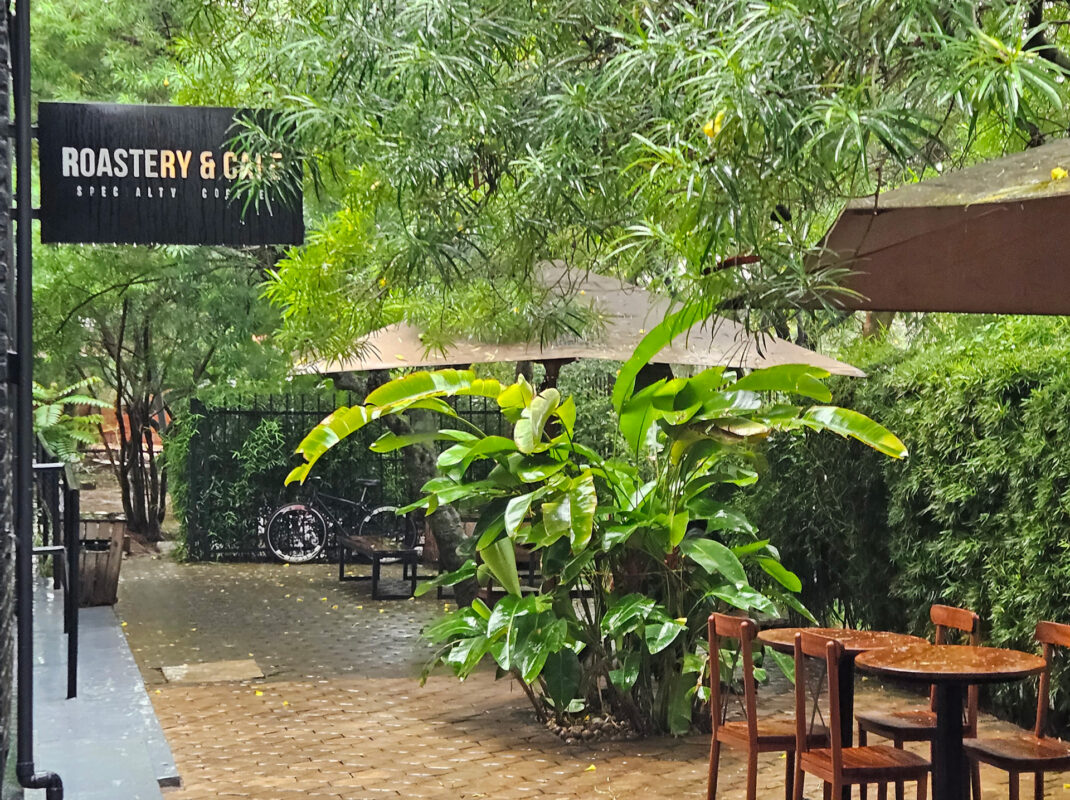
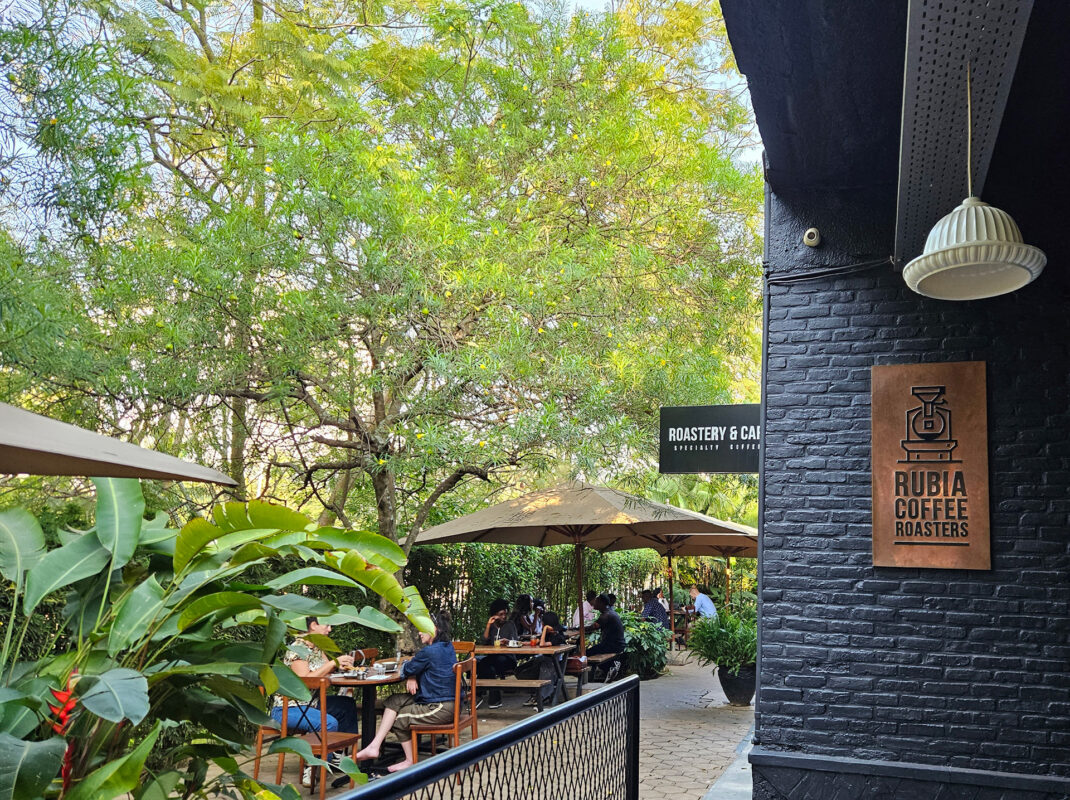
Rubia Coffee Roasters is one of the main places in Kigali offering specialty coffee. It was a gloomy afternoon on the first day of my visit, and soon rain covered every surface of Rubia’s green courtyard. I hid inside, warmed by a bookshelf, sepia-toned portraits on one wall, and jazz playing at a comfortable volume overhead.
The espresso I ordered had character and even character, as distinct and citrusy as lemon peel. I took the salad to go and went back twice more during my stay.
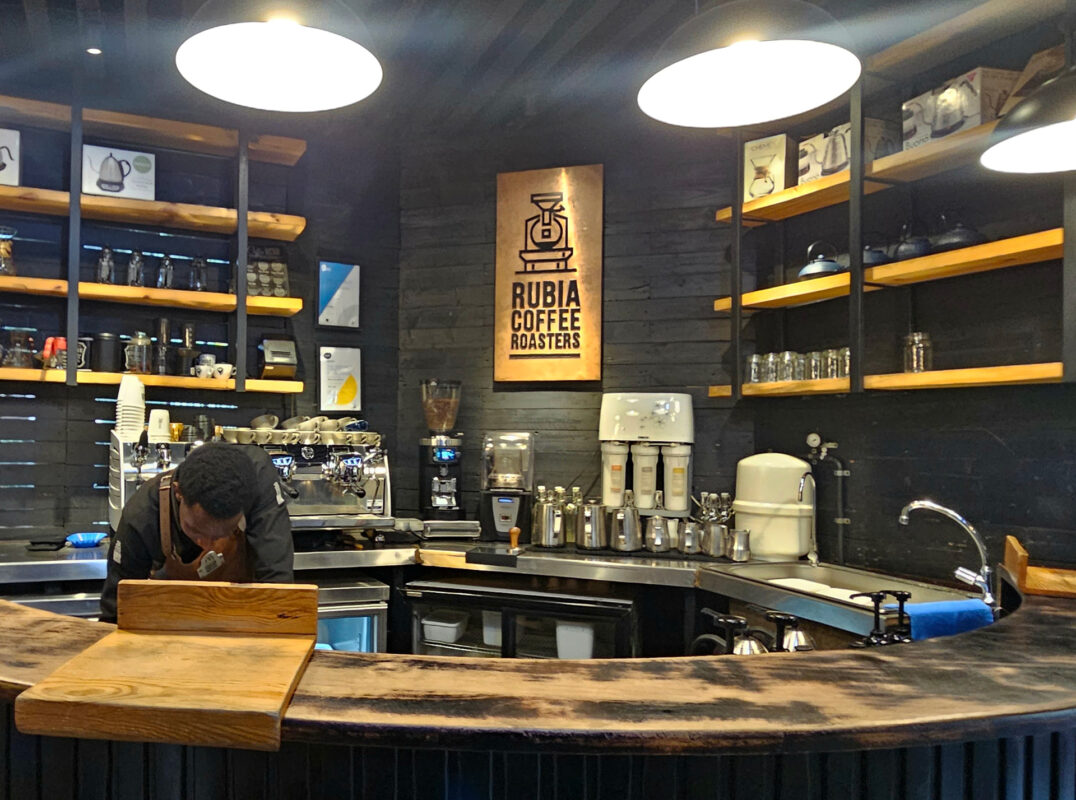
The next time I had a unique tincture that was delicate in body and tasted of gloomy chocolate and gloomy berries. When I asked the barista how he did it, he generously explained the roast (medium) and the type of treatment (natural); he took the time to grind different beans to show me how different processes can provide complexity in flavor.
Founded by Mathias Kalisa, Rubia’s mission is to “promote coffee culture from the ground up through roasting.” The cafe has had a huge impact on the Rwandan coffee scene, not only introducing Rwandan coffee to the world, but also inspiring Rwandans to have a greater love and appreciation for their coffee.
Kivu Black
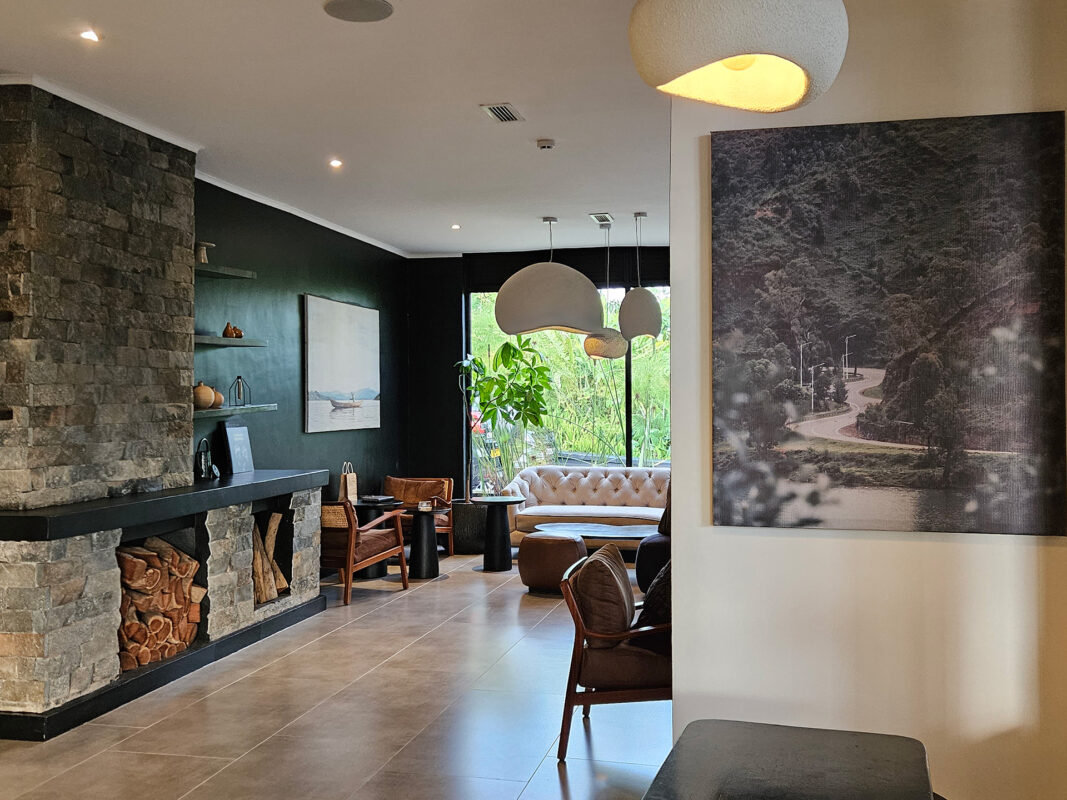
Kivu Black inspired me to think of baristas as craftsmen; those I met talked about coffee as if it was both an art and a science. They discussed developing drinks with Rwandans in mind, given the cultural importance of cow’s milk and the tendency to reach for tea and sweeter drinks.
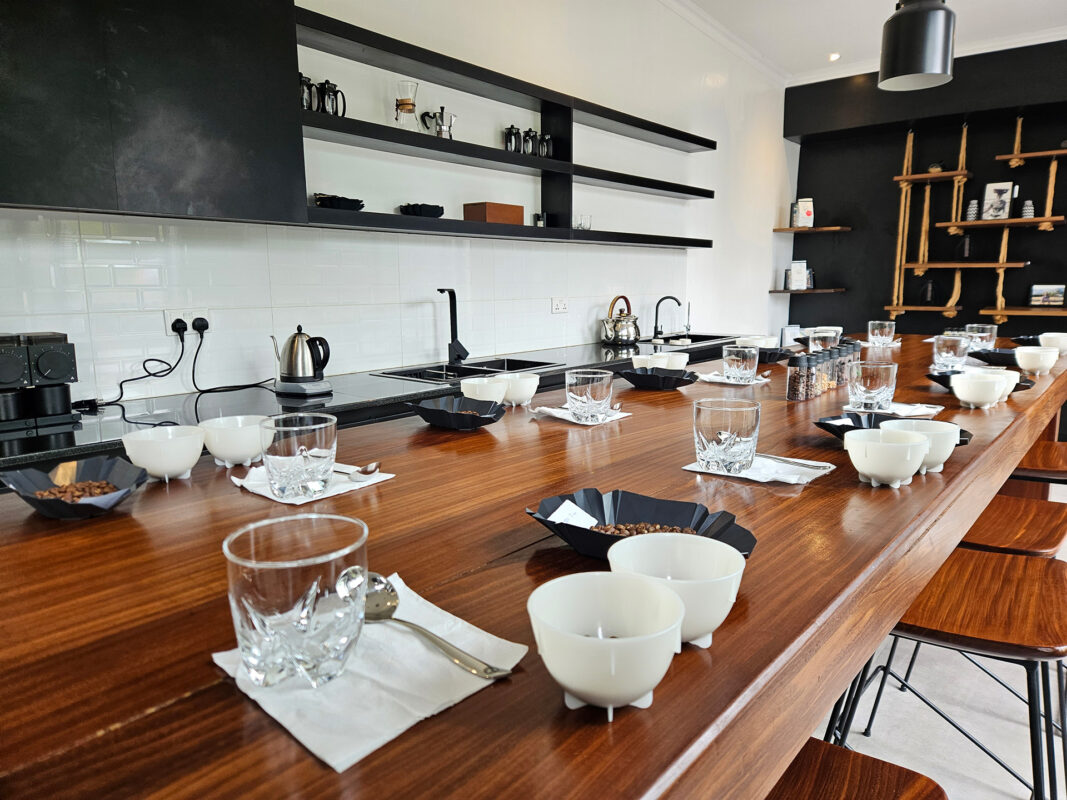
Of the mixed drinks I tried, the rosemary latte and iced cascara spritz stood out; During the cupping session, I also sampled the amazing range of flavor profiles of Kivu Noir coffees. The baristas leading the session were experts and radiated joy, making our time enjoyable and memorable.
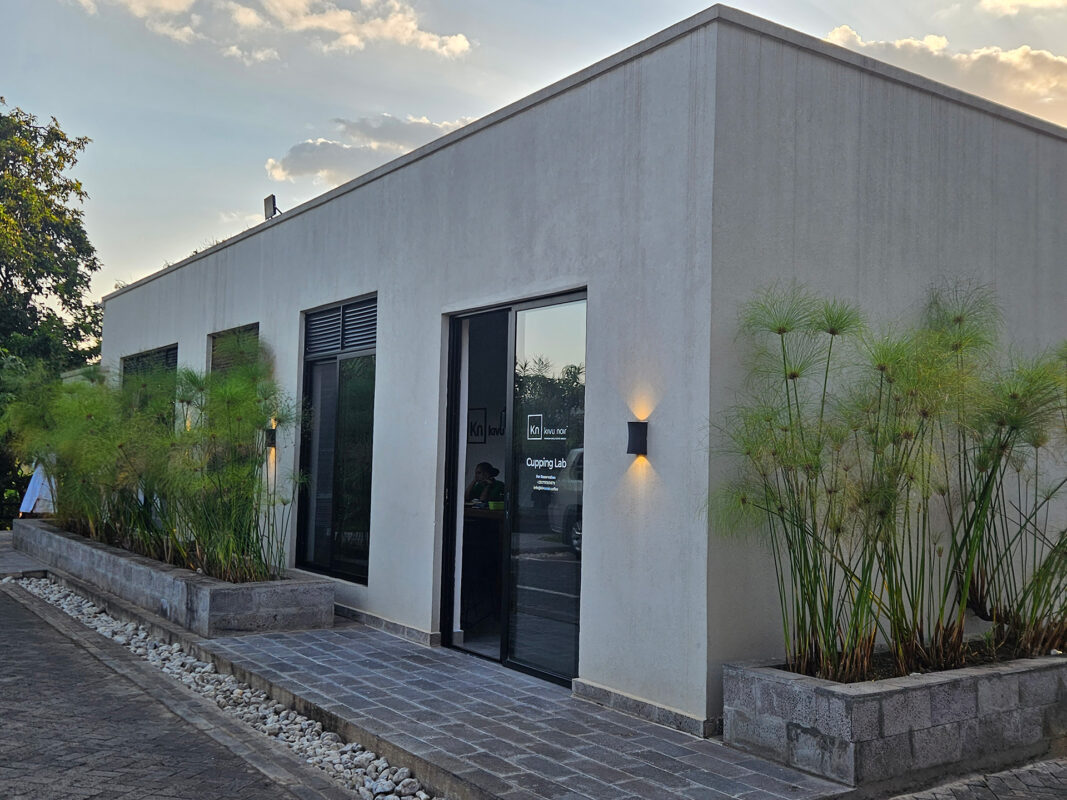
Kivu Noir has two locations, with its flagship cafe located in the Kimihurura area and the other located in Norrsken House, a co-working space for social entrepreneurs in the Kigali Central Business District.
Kimihurura Cafe is broad and well-designed, state-of-the-art and tidy, with plenty of outdoor greenery. It has a cocktail bar and a fully equipped kitchen during the day, offering brunches in the café, and in the evenings it collaborates with its sister restaurant ruä to offer tapas and dinner.
Cafervaparent company Kivu Noir, was founded in 1995 to support genocide survivors and operates five farms across the country that supply specialty coffee to cafés and export ventures.
Question about coffee
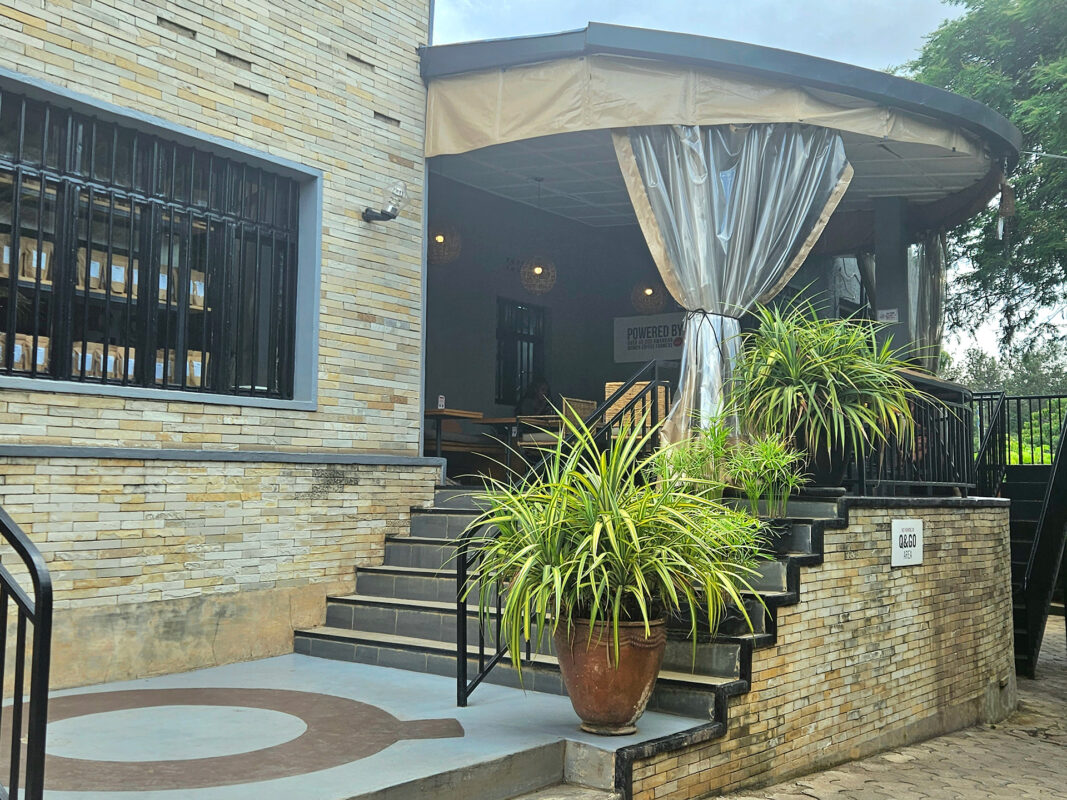
Question about coffee is a social enterprise founded by Sustainable harveststhanks to an investment from Bloomberg Philanthropies. The company reinvests sales proceeds into training women farmers across Rwanda – a goal made clear from the moment you enter the cafe with the words “Powered by over 40,000 Rwandan women coffee farmers.”
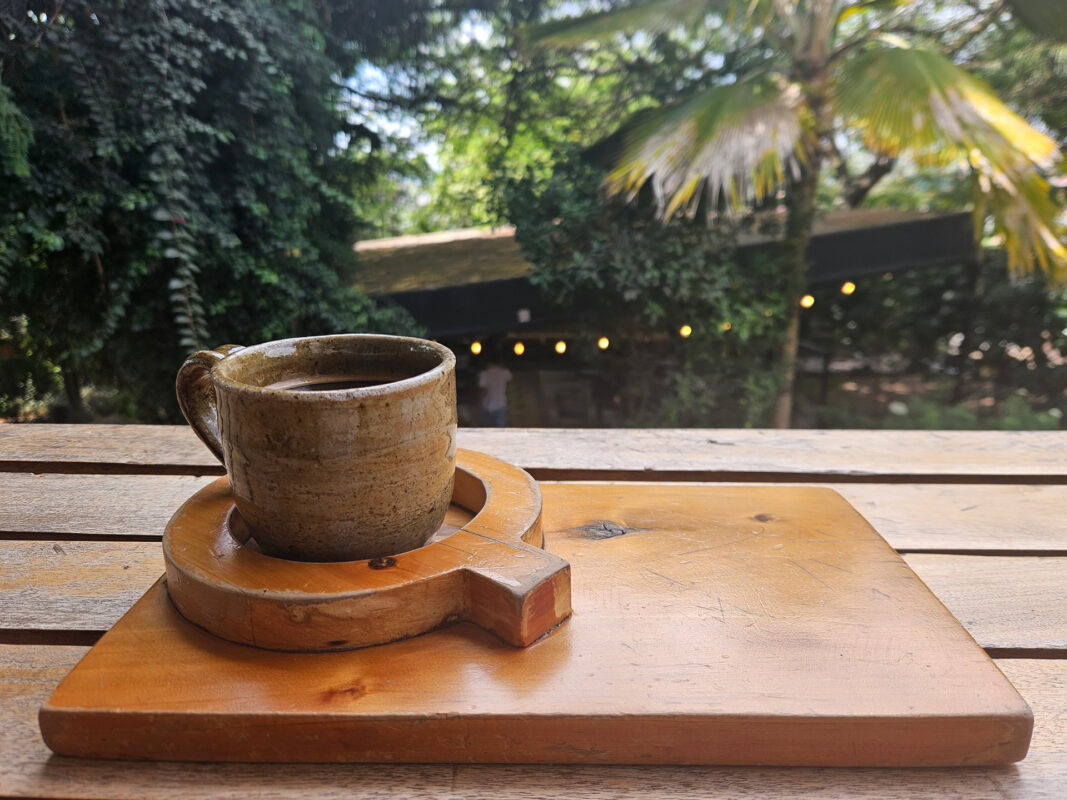
Question Coffee has two locations in Kigali, one in Gishushu and the other in Kiyovu, both with green areas and space to work, chat or just enjoy the view while the smell of coffee wafts from the hotel’s roastery. Here you can personalize your coffee by selecting a specific blend and combining it with your desired brewing process. Each blend has its own tasting wheel so you can choose according to your preferences.
I really liked the Question Everything blend with notes of gloomy chocolate, hazelnuts, brown sugar and orange. I also appreciate the cafe’s almost unique focus on coffee; food options are confined to only a few pastries.
Question Coffee offers specialty coffee masterclasses where guests pick coffee cherries straight from the garden and follow the entire process “from seed to cup, including smelling, tasting and making your own coffee blend to take home.”
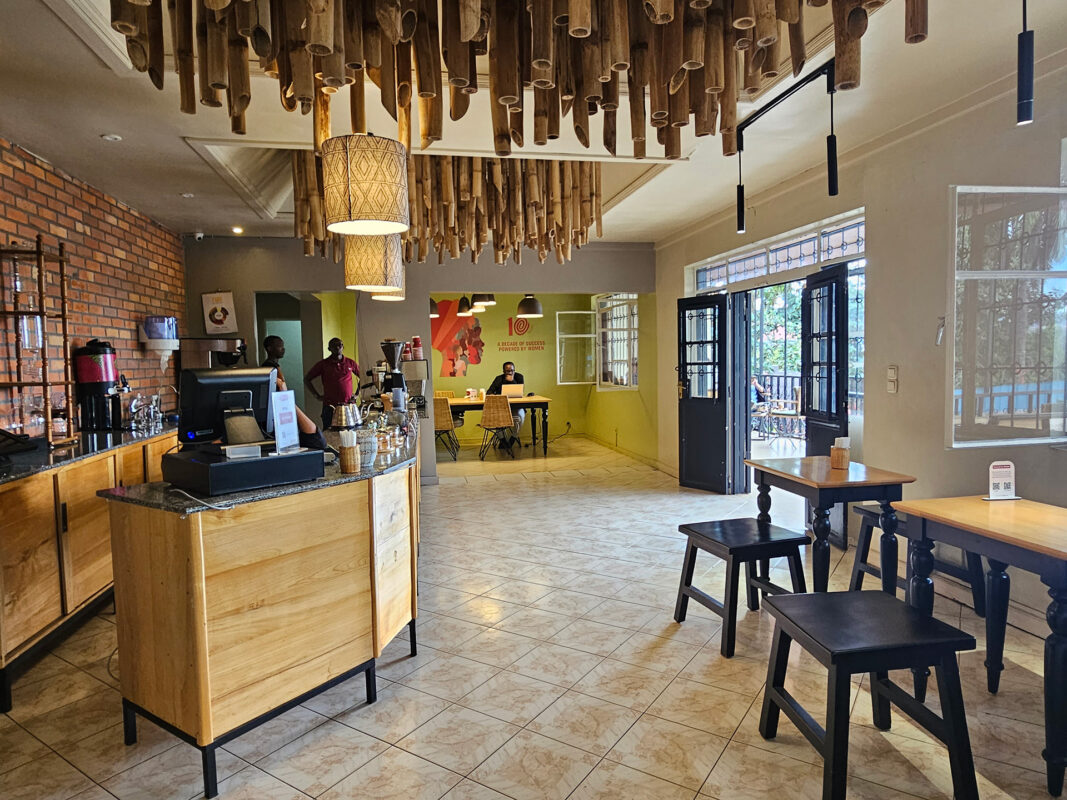
OneCup home and coffee salon
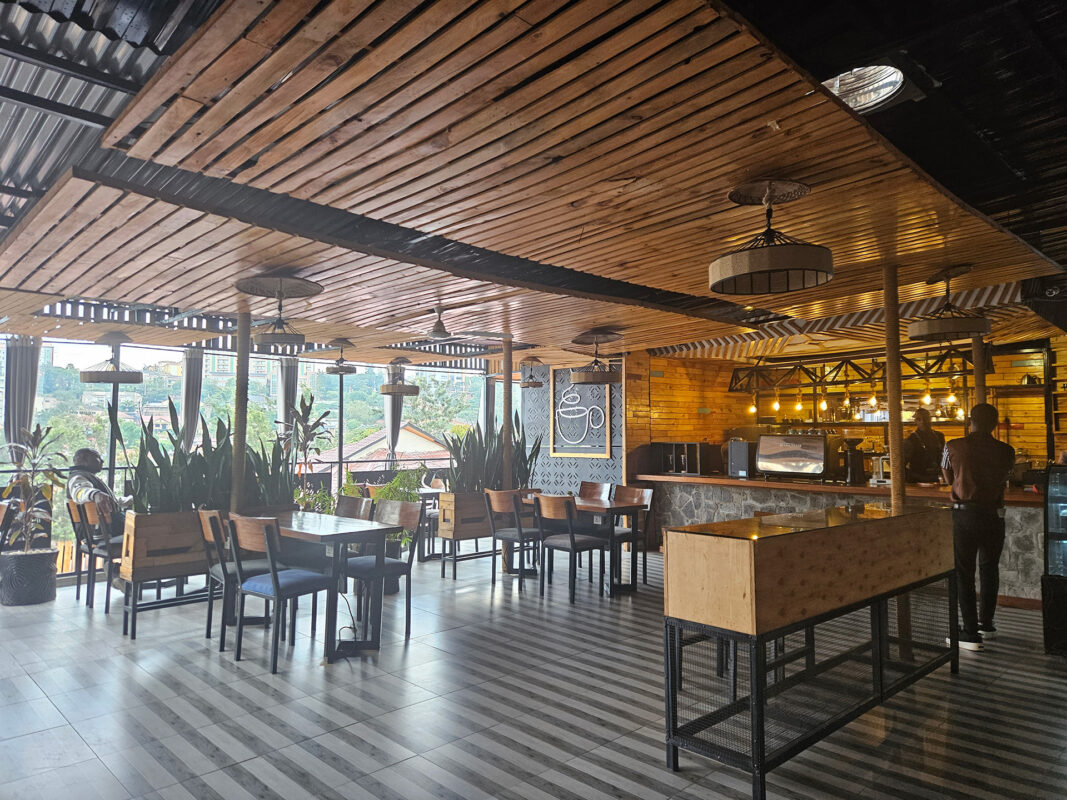
Baristas and enthusiasts I met OneCup home and coffee salon they know their craft and want to share it with Rwandans and the world. One employee explained how the coffee scene in Kigali has been changing over the last decade, with coffee shops promoting coffee culture, resulting in more Rwandans drinking coffee. “The same coffee we export,” this staff proudly stated, “is the coffee we serve here.”
I tried and drank many drinks over several visits: the espresso I ordered had a silky aftertaste, the mocha was well-balanced, and the V60 was delicate and tart. The cafe also packages and sells coffee through its parent company, G-Step, which works directly with farmers, many of them women, to secure fair trade agreements.
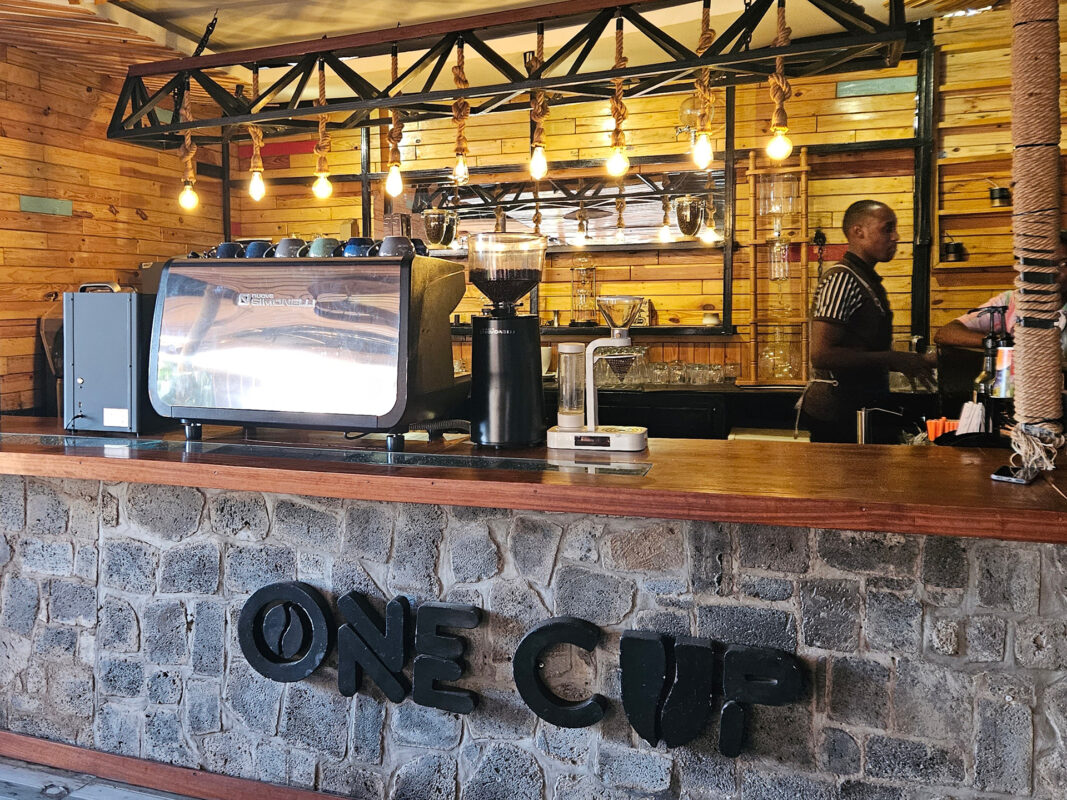
OneCup offers its own unique coffee experience that, in addition to cupping, allows guests to roast and brew coffee according to conventional practices common in eastern and central Africa. The cafe straddles the line between day and night, as people come in during the day with laptops and lunch plans, and as the sun dips behind the hills, they stop to enjoy a more relaxed atmosphere.
Indabo Cafe
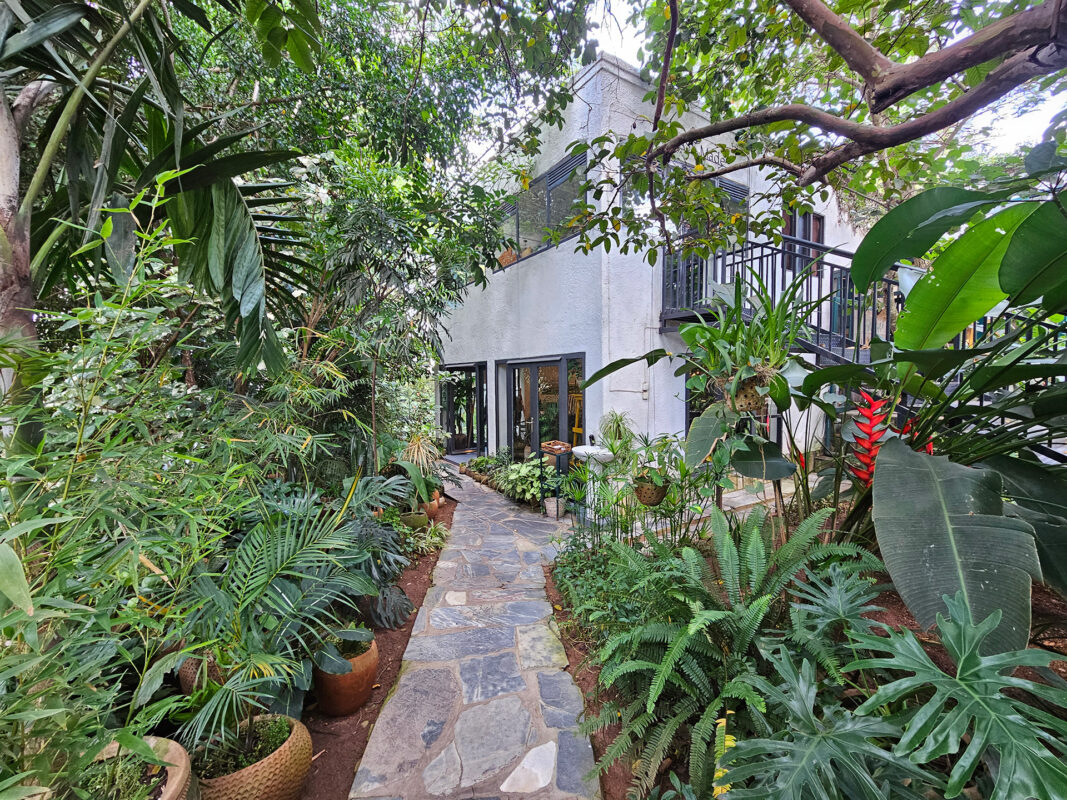
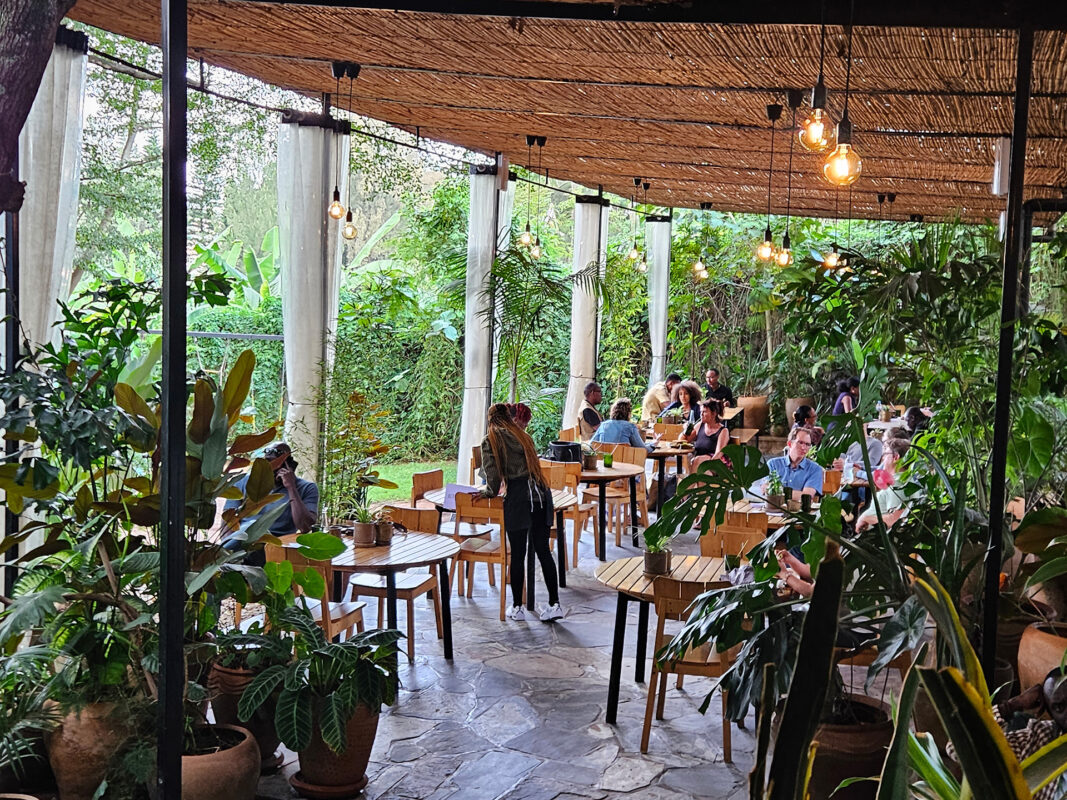
I went to Indabo Cafe through a leafy sea of trees and potted plants. Unlike modernist design, there was fun there. The Kiyovu branch has a treehouse and swing set and shares its grounds with an art gallery and a crafts boutique, while the Kimihurura branch shares its grounds with a dog park and a home furnishings boutique.
Like many restaurants and cafes I have observed in Kigali, Indabo is more open than indoor, allowing cafe patrons to enjoy a shining day in the shade with the uninhibited chirping of birds, or a perfectly gloomy day with curtains outside in case of rain.
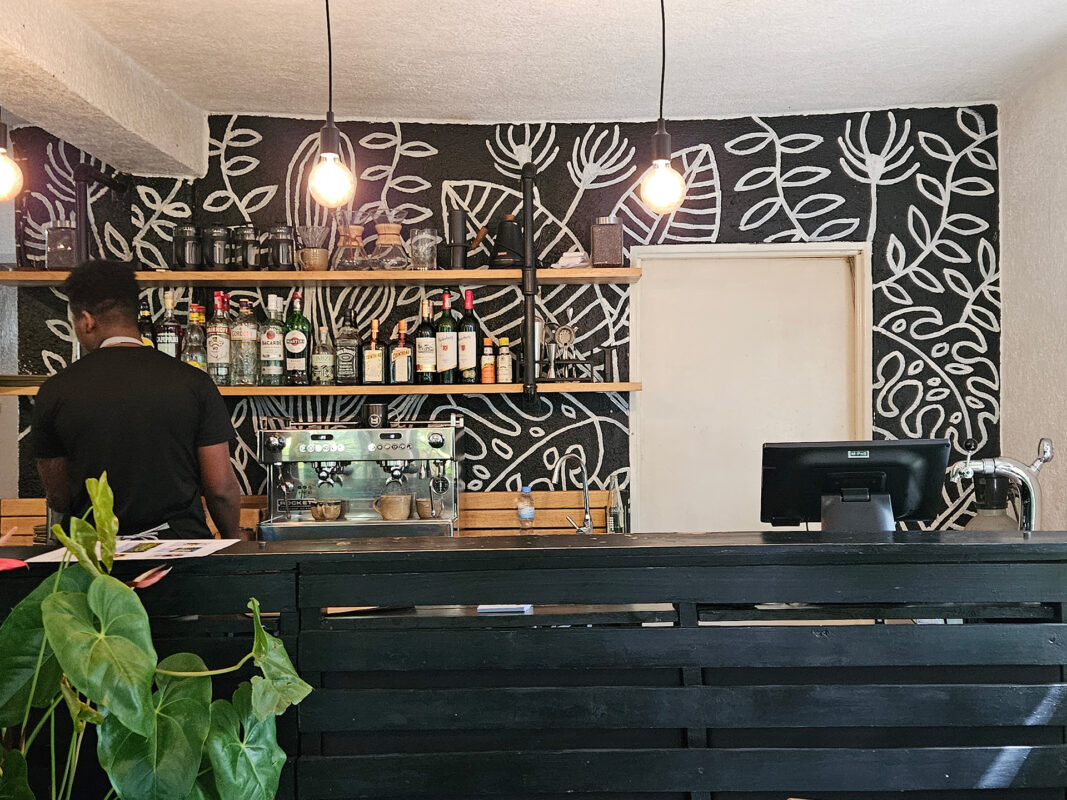
Indabo’s menu is mainly Western and Mediterranean, with good vegetarian options; the café also serves cocktails and a variety of black and mixed coffee drinks.
The Kula Association supplies Indabo with coffee. Kula provides agronomy training and entrepreneurship coaching to support coffee farmers enhance their yields and incomes to escape extreme poverty. To this end, Kula fellows experience an average of 96% enhance in coffee harvest and 203% enhance in their income within one year of completing the fellowship.
Golden Coffee Roastery
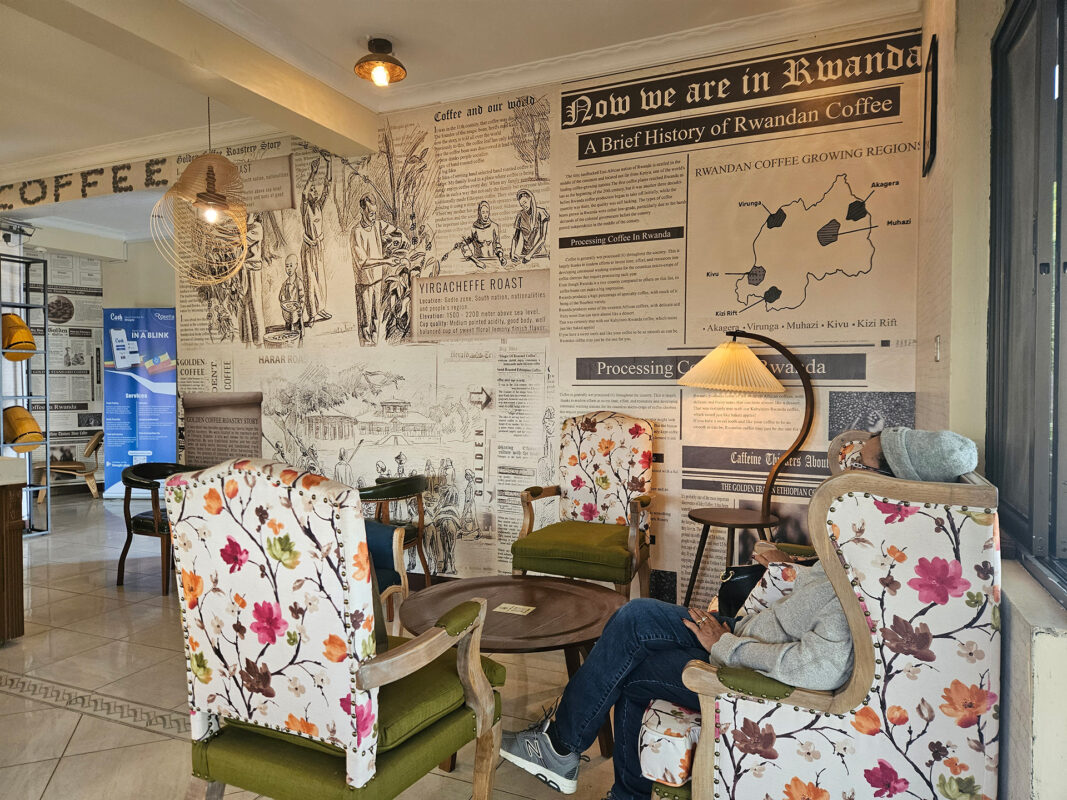
The traces of Ethiopian culture in this café were obvious to me, an Ethiopian, as soon as I entered: a slight but strongly coded nod of recognition and a “Selam” from the manager, Ethiopian jazz playing on the speakers, Chechebsa for breakfast, Yirgacheffe coffee.
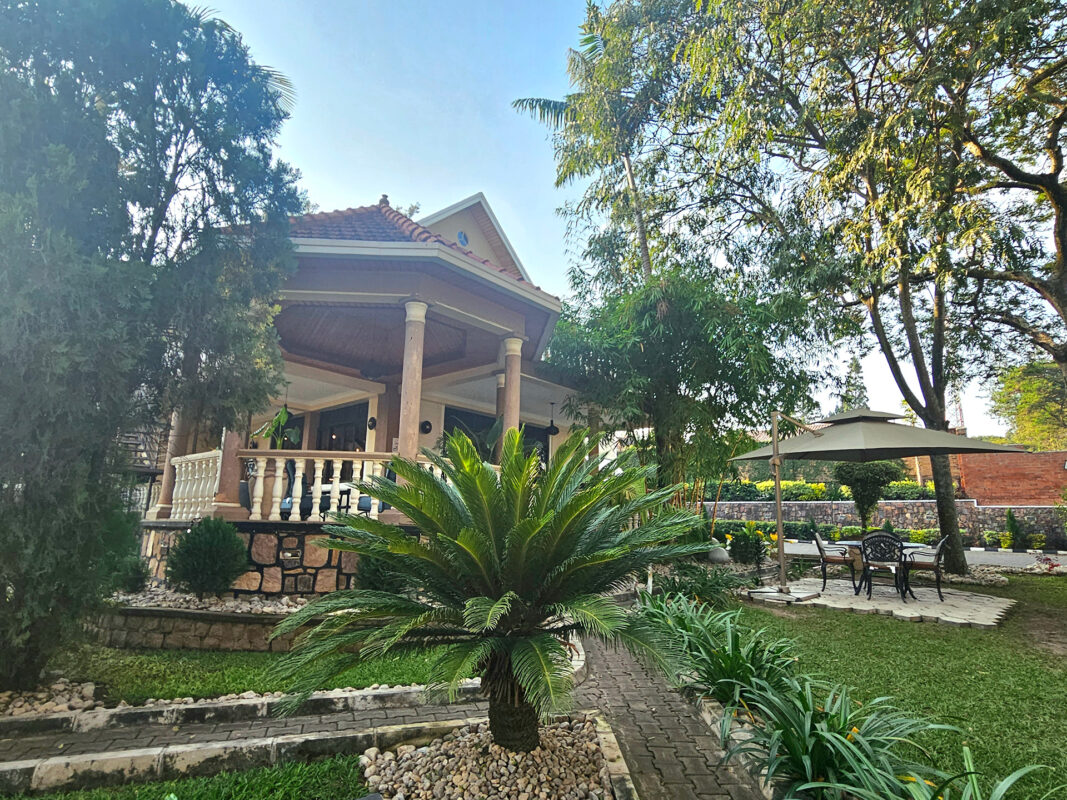
Golden Coffee Roastery occupies a broad estate, in a house where I felt like I was going to the neighbors for coffee. This is the first location of the cafe in Rwanda, after its establishment in Addis Ababa, in Bole Rwanda – a district named after the Rwandan embassy located there.
Golden Coffee typically serves Rwandan coffee throughout the week and highlights other origins (Ethiopian, Kenyan, Burundian, etc.) on certain days. There I drank African coffee, a milky brew with notes of ginger, cinnamon and cardamom that reminded me of the Swahili coffee I drank one foggy morning in the Elderly Town of Mombasa.
The existence of this and many other immigrant-owned businesses is emblematic of Rwanda’s embrace of open trade and foreign investment. One of the people I talked to during my travels said: “Rwandans are open to immigrants and refugees because they were recently in the same situation. They know what it’s like.”

