

Stop me if you’ve heard this one before: A wealthy person outside the coffee industry decides to “disrupt” things in a way that can only be described as cringe-worthy, and the results appear to lag roughly five years behind the broader curve they claim to be disrupting.
The latest iteration of this phenomenon comes courtesy of Philippe von Borries, co-founder Refinery29 (remember them?) who uses some of his A fun $400 million ZIRP payout he made money by selling out to Vice (remember them?) to launch a canned coffee line. But this isn’t just any canned coffee line: It’s one that will finally bring design and clever branding to the ailing CPG coffee space… at least according to von Borries.
The news spread through Feed methe hugely popular daily business/culture/this-modern-world-our newsletter hosted by Emily Sundberg. In an exclusive interview, Sundberg interviewed von Borries about life after Refinery29. Instead of returning to the media world, von Borries decided to focus on coffee, offering a recent line of ready-to-drink canned sodas called Espo (not to be confused with Espro).
It’s not a terribly long interview, you can read it in its entirety Herebut we’ll get there bad good things. When asked why coffee, von Borries answers: “We always focus on the brand. Even in the media. This has always been my main motivation and basic orientation. The fascinating thing about CPG is that while the product has to be amazing, a large part of it is storytelling and how to get people excited about your product. So we’ve seen a large shortage of coffee – it’s kind of a brown, stale, forgotten shelf. No fun. No innovations.”
Brown, musty, forgettable.
How does Esspo try to break the monotony? Take a look for yourself. This is their classic vanilla.
I mean… well, I think there’s a little bit of red. But other than that, this can is first and foremost… quite brown? And not in Ween’s fun, crunchy, imperfect way.
You’re probably wondering if I chose the brownest tin in the Espo range to make my point. And you’ll be right, I totally did. So, in the spirit of justice, we present Espo’s two remaining boldly groundbreaking projects.
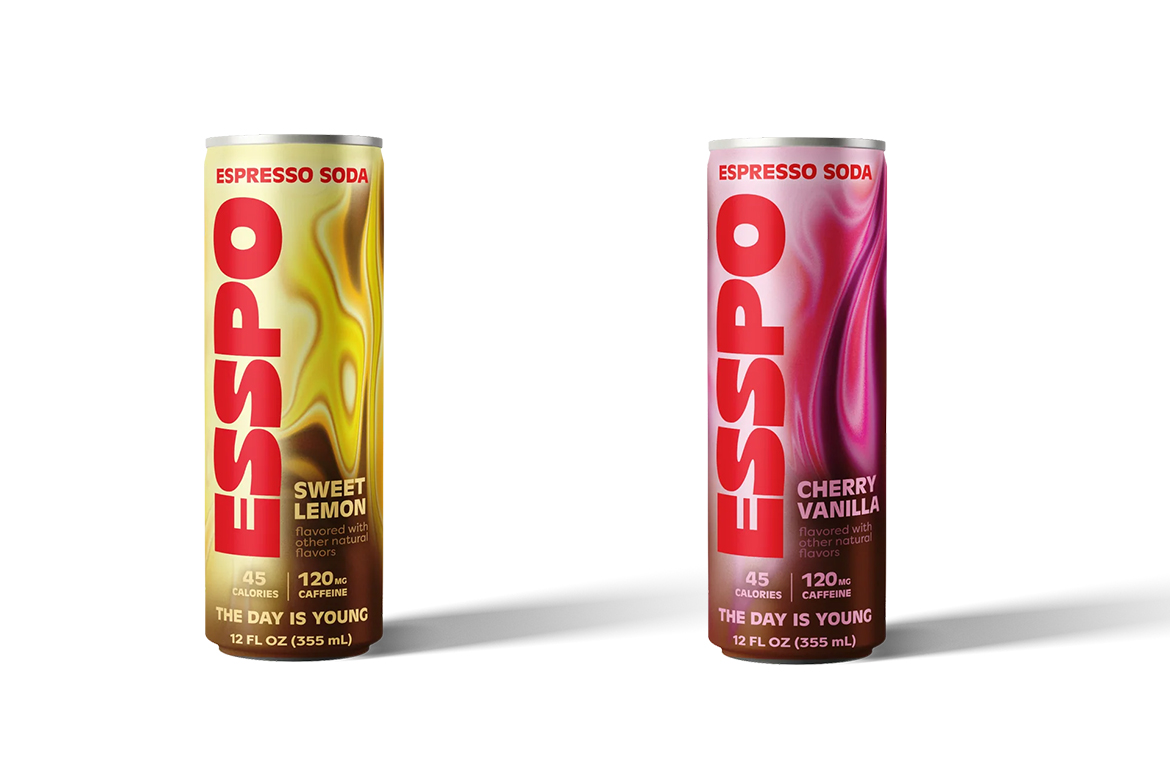
This is better. They are less brown. But they also resemble many other CPG coffee products that are also not the least bit brown. If only there was a compendium of ready-to-drink coffee product designs from the last four years, we could take a look at it to compare how disruptive Espo may or may not actually be in the context of broader design trends in the specialty coffee CPG space.
Speaking of which, here’s a modest collection of canned coffee drinks that we’ve featured as part of our Ready To Drink series.
How about the adorable Coffee Palmer from Coffee Project NY

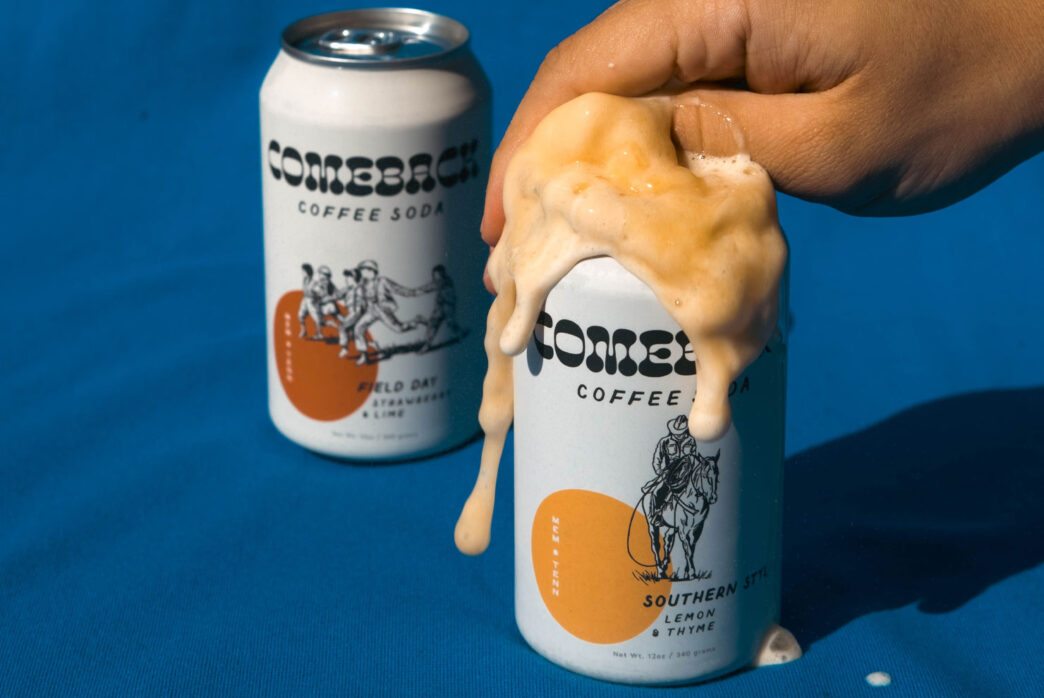
Or maybe a coffee drink from Comeback Beverage Co
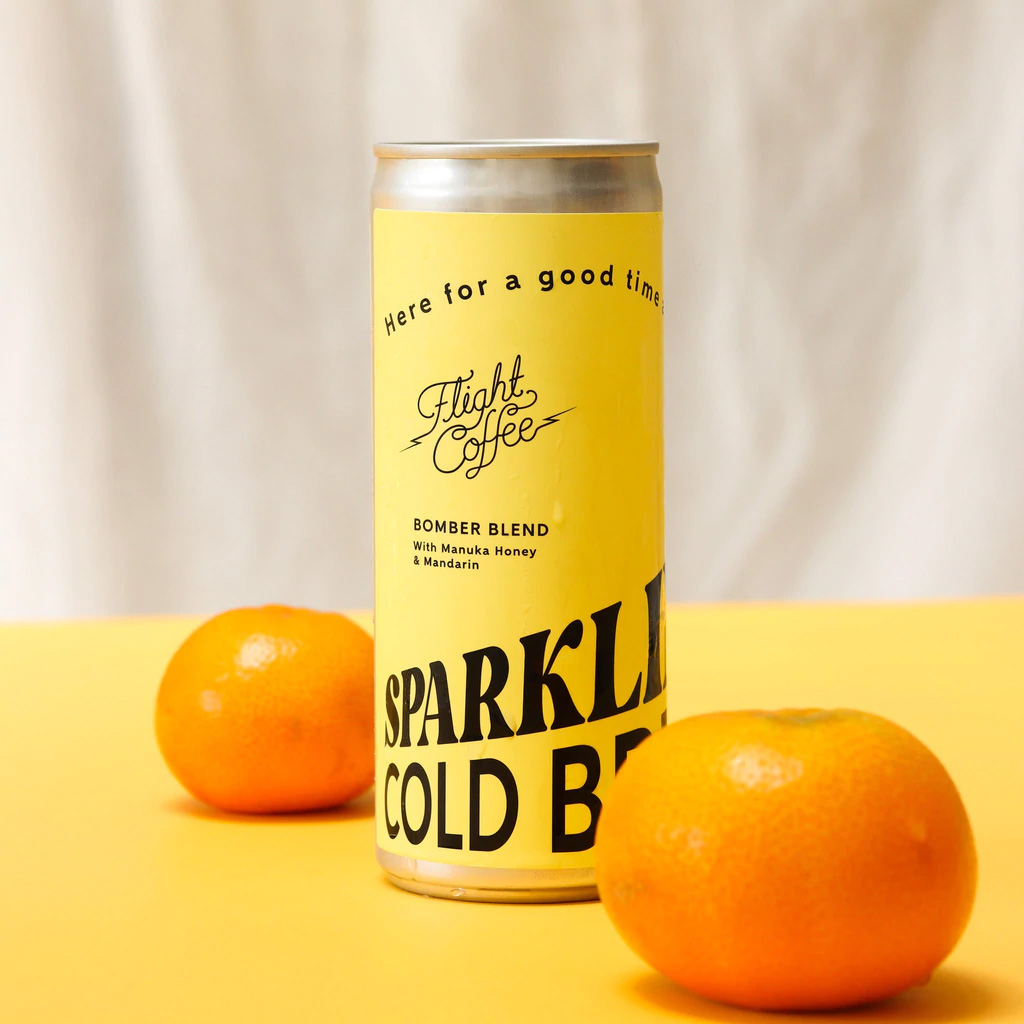
Or dig deep into the archives for a sparkling icy brew with Manuka honey from Recent Zealand’s Flight Coffee
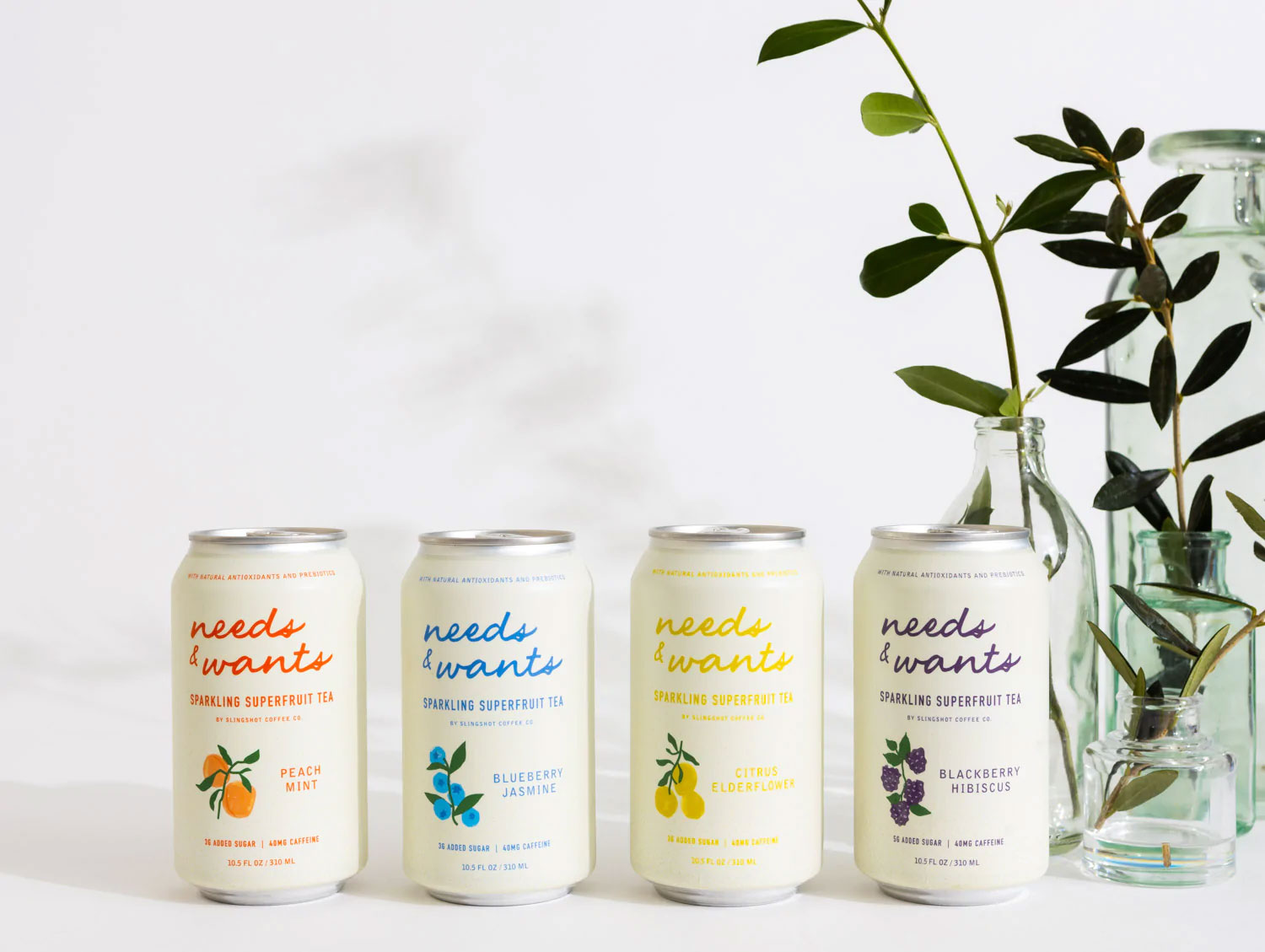
Here are some Cascara Botanicals from Needs & Wants, sister brand of Slingshot Coffee
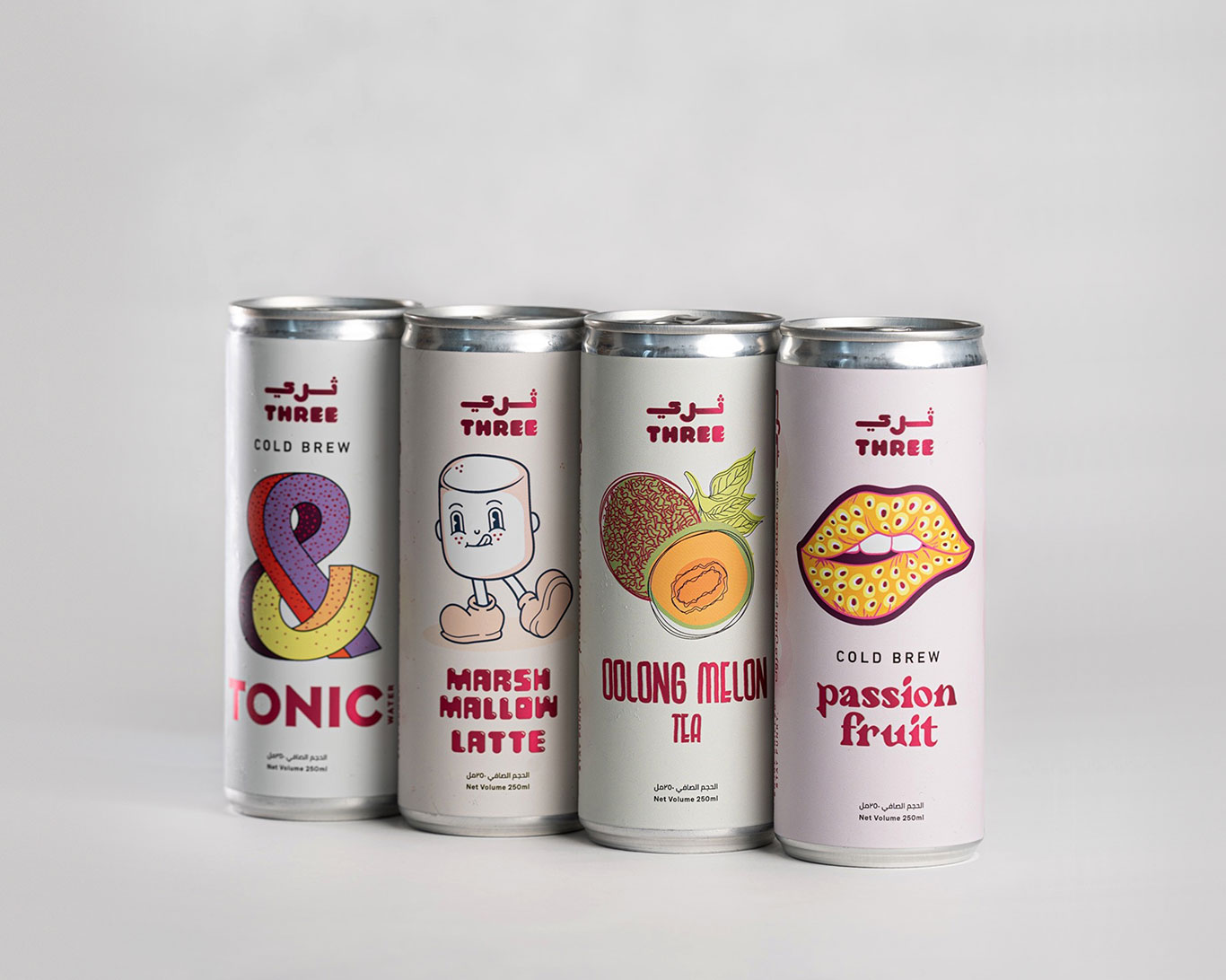
Or maybe three or four of these Three Coffee jammers
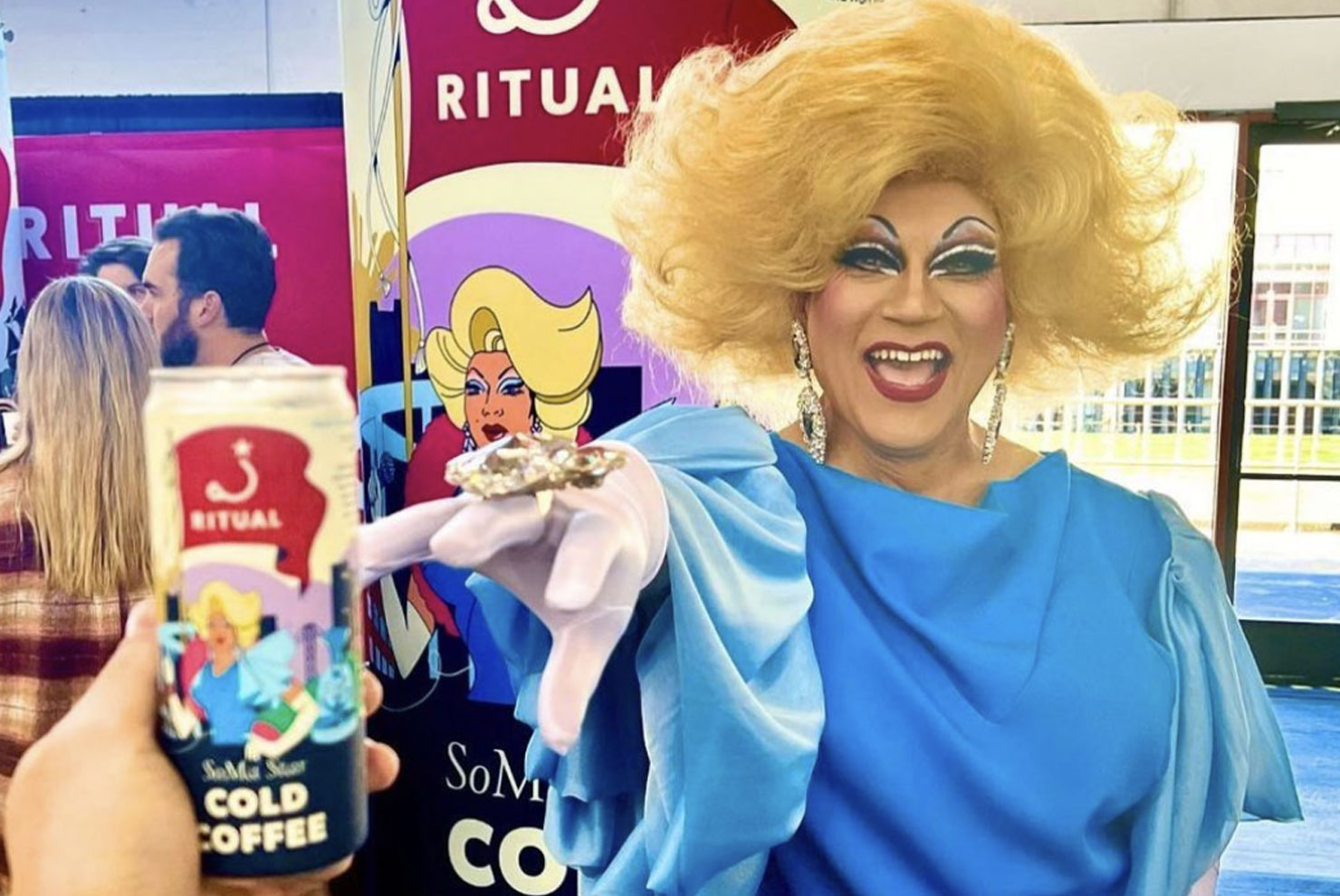
Drag queen icy brew? Say Less, Juanita More! with Ritual Coffee
Even Tate Galleries works with Coffee Kombucha, but what do they know about art?

Someone call the geniuses at Pantone (or better yet, Moccamaster) so we can find out which packaging is the brownest.
Even as von Borries himself admits, Espo is “the first brand.” This brand happens to be a millennial hit. (To be clear, we’re very aware that Sprudge is also terrifyingly millennial, thanks). However, Esspo’s vibe seems to be all about turning up the vibes as much as possible. On their website they often say “vibes” and other things like: “Our mission is to energize your everyday moments. We don’t believe in longer days – only better. More present. More intentional. More delicious.” This couplet has now been formally nominated for a Sprazzie Award in the Worst Coffee Marketing Copy category, traditionally one of the harshest categories.
There is a lesson to be learned here. Something about how to break into a recent industry (and therefore, don’t talk crap if you don’t know shit). Perhaps it’s about the dangers of putting packaging on your product – and offending your color scheme – or pretending you’re in the way and so on, when in fact your can looks very similar to many other cans that preceded your can, which means you’re not in the way at all.

