

Co-fermentation in coffee, a practice that originated in wine, is a method that allows coffee to ferment together with non-coffee ingredients while being processed on a farm or mill. Fermentation is part of every coffee’s journey from field to cup and is a crucial stage in the development of flavor in the beans.
Co-fermentation of coffee is commonly done with fruit, and its purpose is to influence the final flavor profile of the coffee towards more elaborate, often sweeter flavors. Some of the fruits that people ferment with coffee include melon, orange, peach, strawberry, grapes, passion fruit, lychee, and (ooh!) banana. Other ingredients such as fresh mint and yeast are also used to co-ferment and stimulate specific microbial activity.
Co-fermentation is slightly different from , which can refer to any additives added to coffee at a later stage, such as soaking coffee beans in bourbon, spraying flavored oils on the coffee beans, and so on. While some may call co-fermentation an “infusion”, not all infusion is co-fermentation.
Sounds… compelling. Is this part of a larger move towards experimental computing in general?
Yes. Over the past decade, various types of controlled fermentation have become fashionable in specialty coffee, with experimental producers increasingly tinkering with temperature changes, oxygen-free environments, and other adjustments (such as anaerobic fermentation, thermal shock, etc.). Many people believe that these processing methods offer thrilling potential.
Co-fermentation “expands the possibilities of discovering novel sensory experiences in coffee, combining creativity and a deep understanding of the fermentation process,” says coffee scientist Valentina Osorio Perez, an expert in the field at Colombia’s National Center for Coffee Research, Cenicafe.
Colombia is a coffee-producing country where co-fermentation is really gaining momentum, so it’s obvious that Cenicafe is keeping a close eye on this process. The Institute studies the impact of different fermentation styles on sensory values, closely observing the chemical processes taking place. Dr. Osorio-Perez points out that this practice can go beyond novelty and cause real economic impacts for farmers.
“From an agricultural point of view, co-fermentation can be beneficial if implemented responsibly and transparently,” he says. “It can generate added value, open novel market niches for coffee farmers and promote sustainable practices using local resources.” But it adds a caveat that “it is crucial that these processes are designed with traceability, control and technical training to ensure they are unthreatening, repeatable, consistent and truly beneficial to the entire supply chain.”
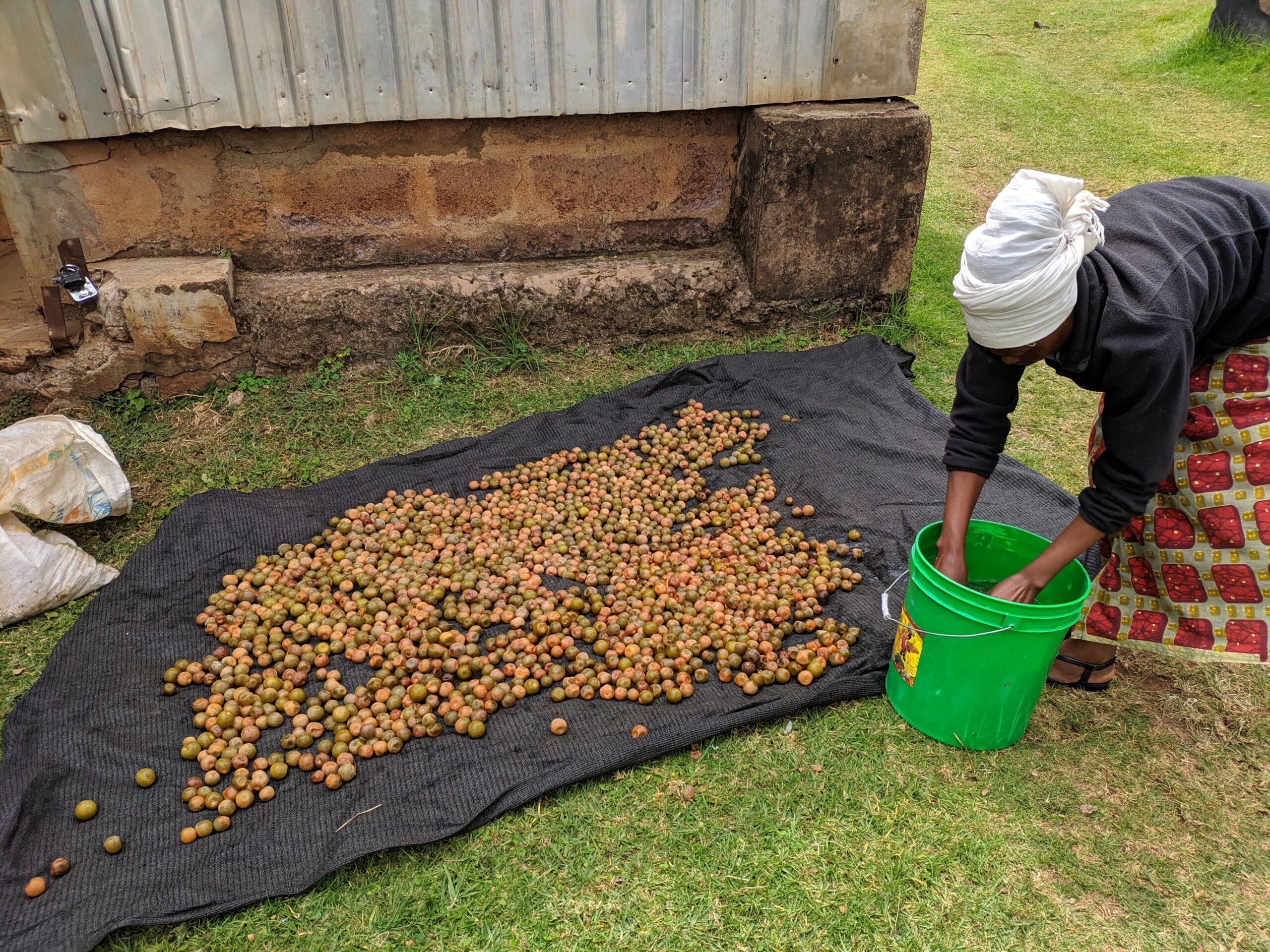
But aren’t some people against fermented coffees? Don’t some people think these coffees are nasty?
Look: Purists intend to be neat. For many coffee lovers, adding an outside ingredient to their coffee at any stage is considered inappropriate – and for them, throwing in a banana during processing is simply a bridge too far. Some criticisms of co-fermentation of coffee include its potential to cause allergies/lack of full ingredient transparency, the feeling that it is “cheating” in competition or sensory evaluation, and even that the practice is “duplicitous.”
In competitive circles, co-fermented coffees have had a mixed reception, with co-fermented coffees being included in the World Barista Championship only produced in 2023. In Panama, co-fermented coffees were notably rejected for the Best of Panama 2024 competition.
As the saying goes, one man’s co-fermented passion fruit Pacamara is another man’s poison!
Okay, I’m intrigued. But will the average coffee drinker really feel the difference?
Yes, even a non-professional coffee taster can easily detect forceful fruit notes and other novel flavors in co-fermented coffee. You’ll likely pay a premium – experimental coffees are inherently more steep. But for a coffee lover, does being at the cutting edge really come at a price? (Yes. Of course I do. Kids. But if you can, try a cup and decide for yourself.)

