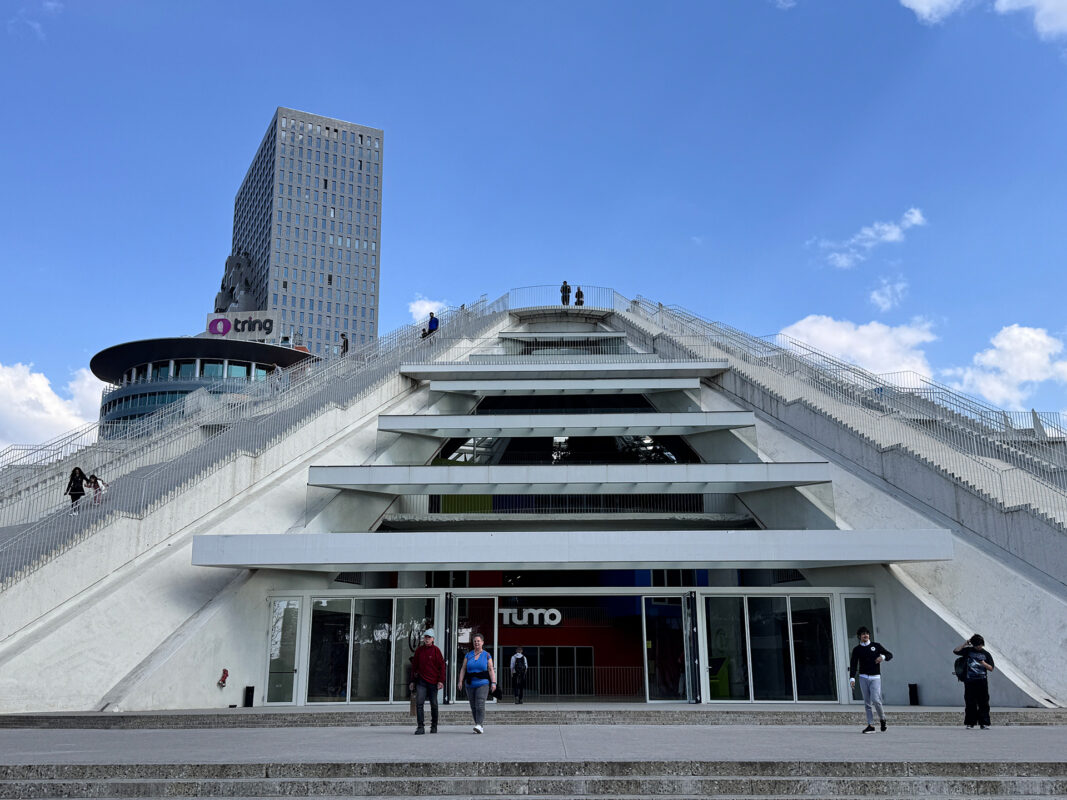

Tirana is on the cusp of the specialty coffee wave. In a country with one of the highest number of cafes per capita, cafes are a way of life in Albania, and people spend entire mornings discussing politics or family matters over a cup of coffee. Meeting in a café here is a snail-paced, deliberate action. This is very different from the Italian culture of ordering at the counter and being on your way a minute later.
Historically, Albania has been influenced by both Italian and Turkish coffee traditions when it comes to the style of coffee consumed. In these areas, the most popular choice is murky roasted espresso, and older men may enjoy a glass of grape-based brandy.
The good news for those who prefer a lighter roasted single-origin coffee is that a up-to-date crop of baristas are trying to turn the tide. The first specialty café to open in Tirana, Antigua Cafe, unfortunately had to close in September 2025. This hasn’t discouraged a up-to-date group of optimists from taking up the torch, however, and today you’ll find a nice collection of shops where you can browse for a coffee.
But in many ways beyond coffee, this place is a city emerging from its past. The remains of bunkers from the communist era have now been turned into museums, and the former monitoring buildings are open to visitors. From an aesthetic point of view, Tirana is a strange mix of modernity and functionality. In the immediate city center there are parks, museums, the fashionable Blloku district and the postcard-worthy Pyramid, from where you can climb to the top and admire the mountains in the distance.
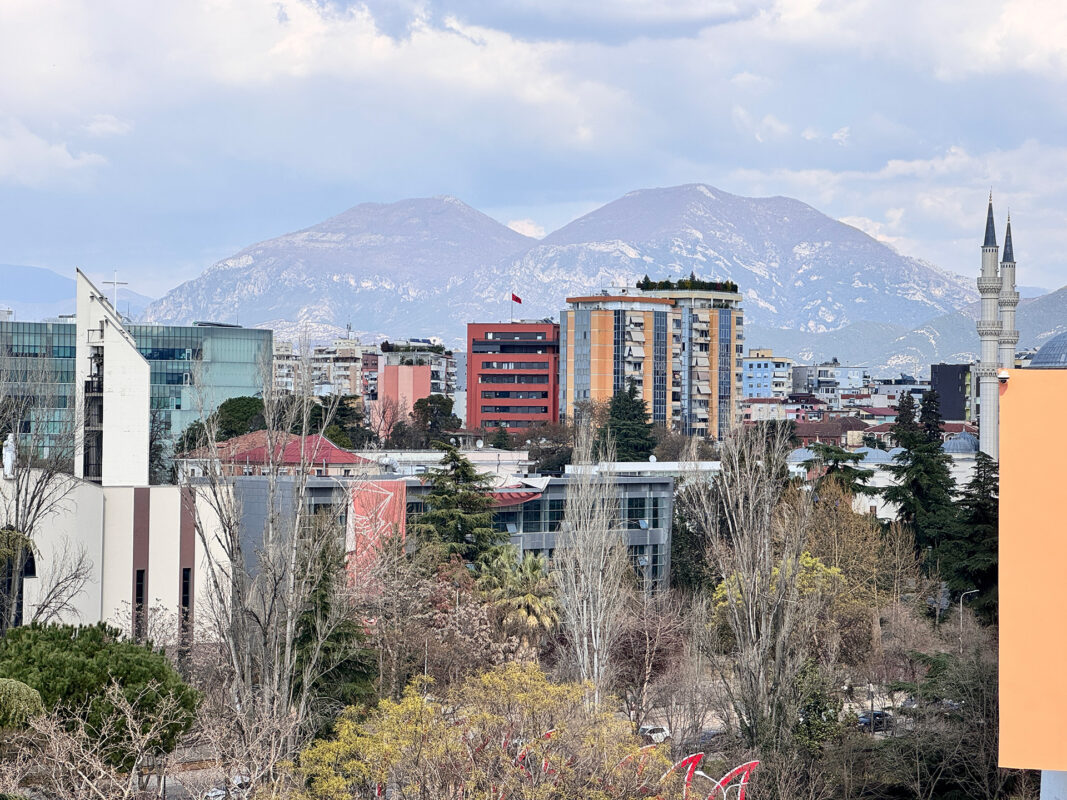
There are suburbs with gray concrete blocks decorated with murals and graffiti, as well as the occasional square where people open cafes. The heart of Tirana is hidden in these diminutive pockets.
Tirana is not yet a city to which you can expect Gesha flights and a sophisticated menu on microflights. Keen baristas and café owners are gradually testing the waters with a promising future ahead of them. Here at Sprudge, we regularly feature established coffee scenes, futuristic coffee scenes, and cities whose neighborhoods are so overflowing with coffee culture that we’re forced to search neighborhood by neighborhood. So Tirana in something different – a coffee scene, full of promises and emotions, a chance to see a city that is changing rapidly with the supply of coffee. For us, there is something particularly electrifying about these stories, and it is a privilege to be able to highlight the coffee culture in Tirana. Read on.
Rubi cakes and specialty coffee
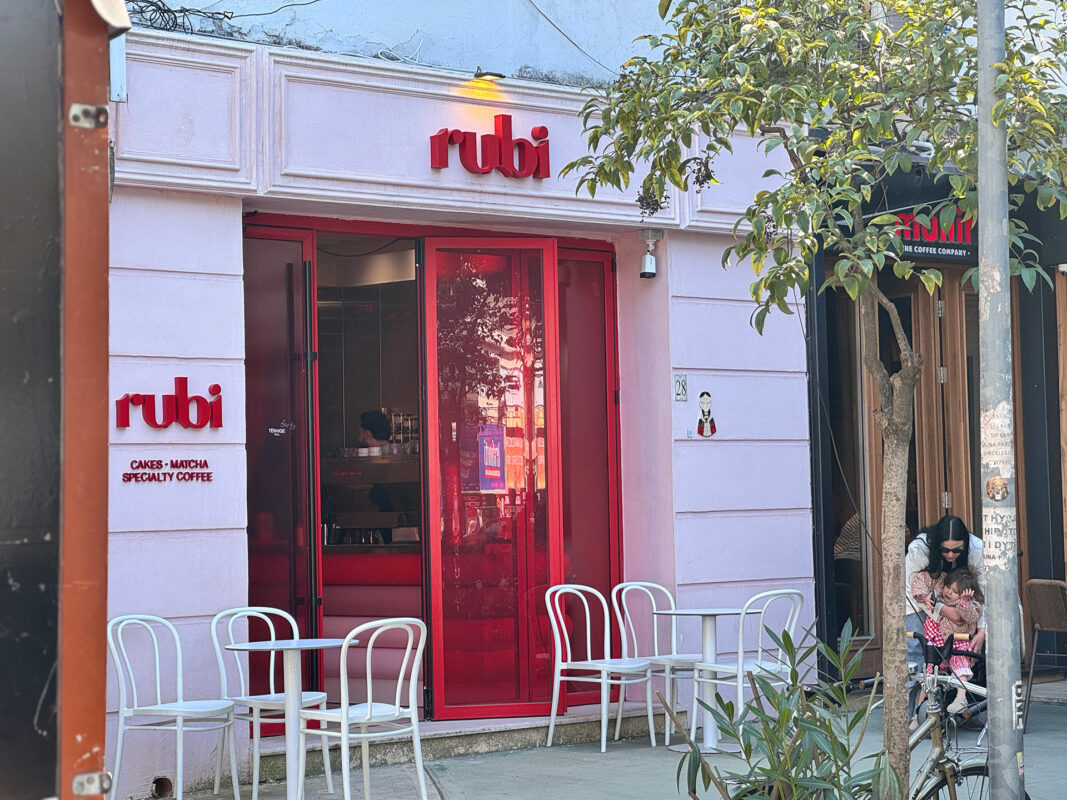
Blloku is Tirana’s postal code for nightlife. The district, once a communist restricted zone, is full of trendy restaurants, bars and clubs. It also has the highest concentration of specialty coffee shops and, fittingly, RubyThe first location was opened here – a cozy cafe with outdoor tables along the encroaching sidewalk. Head barista and shareholder Kevin Imami has made it his mission to source the best beans for brewing at Rubi. Ultimately, he chose Denmark Coffee Collectiveand based in Rome Stranger. Imami has gone to great lengths, traveling to Rome and Copenhagen to train with both companies to perfect his extractions.
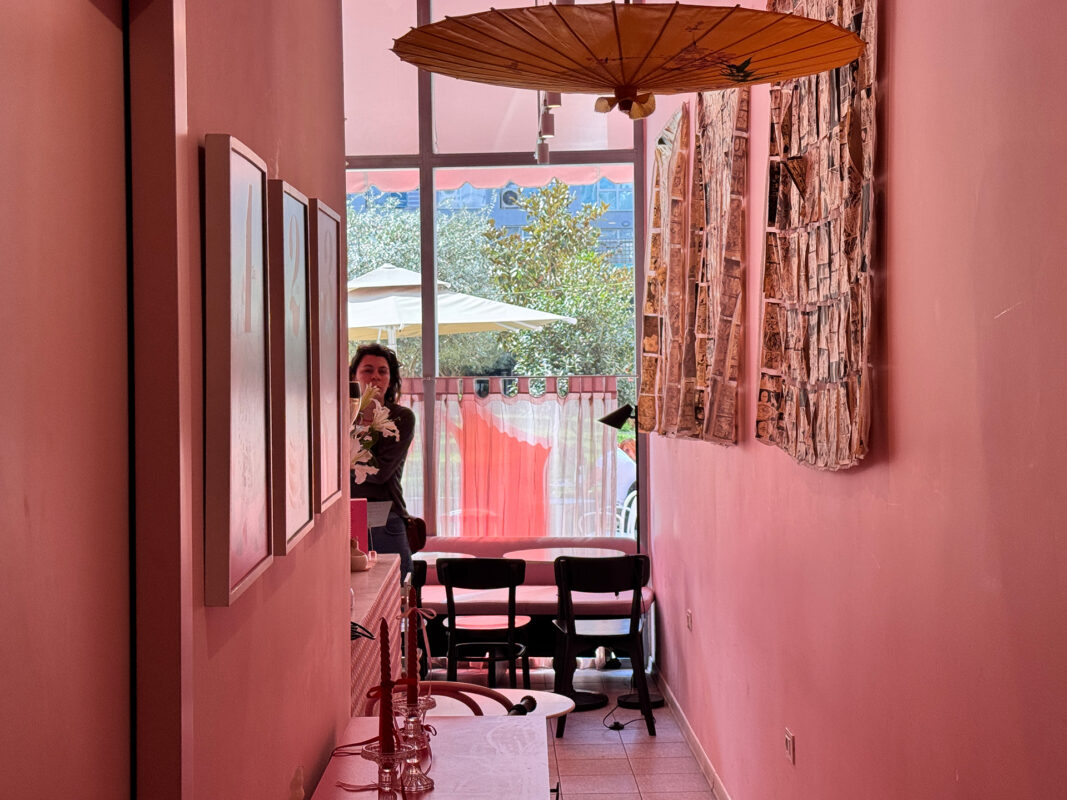
Their up-to-date second store is located on the dynamically developing Kommuna Square and is equally diminutive on the inside, but with a vast outdoor space surrounded by residential buildings. Many restaurants and cafes have opened here, so the atmosphere is bustling. Both branches share the same ethos of providing customers with excellent baked goods and hand-picked specialty coffee. Rubi prepares tinctures using ceramic V60s, and I liked the washed Ethiopian from Alien, which had a slightly bold consistency but retained its acidity and sweetness. Next, El Vergel from Coffee Collective, brewed pink La Marzocco Linea PB machine, with congratulate scales ensuring high extraction precision.
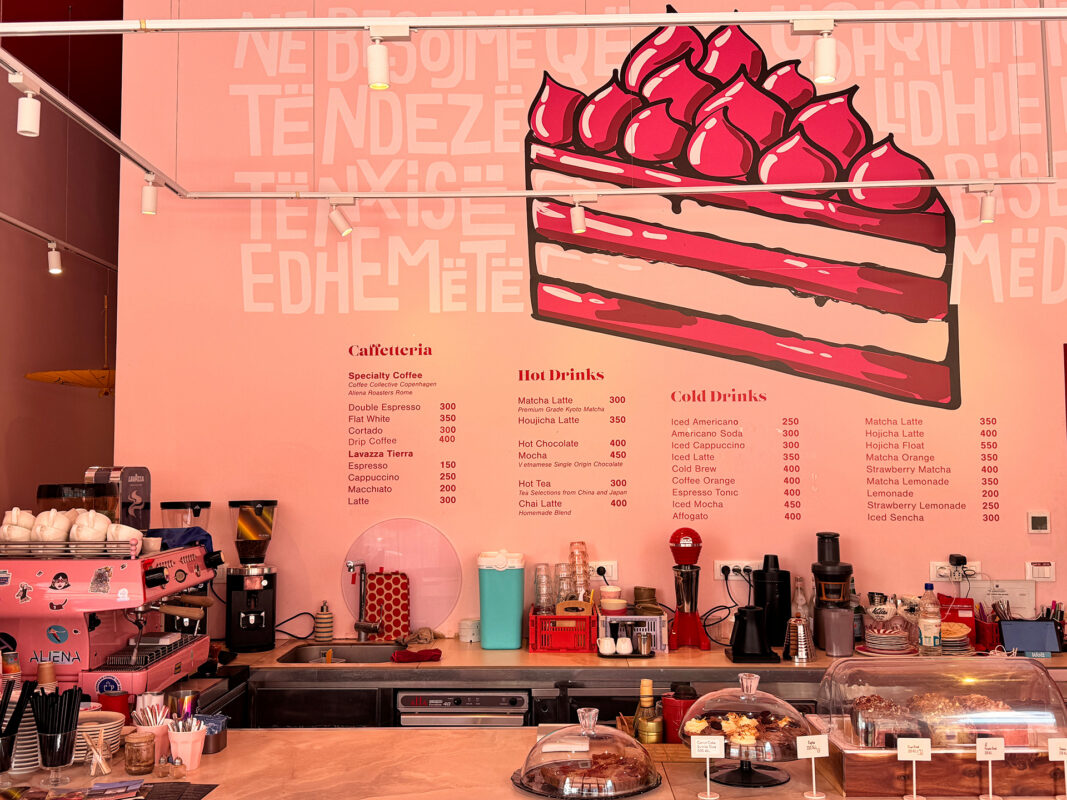
Imami explained that introducing this form of coffee to a country bred on murky roast Italian espresso has been a challenge, but a younger demographic is starting to show interest.
Frut’za
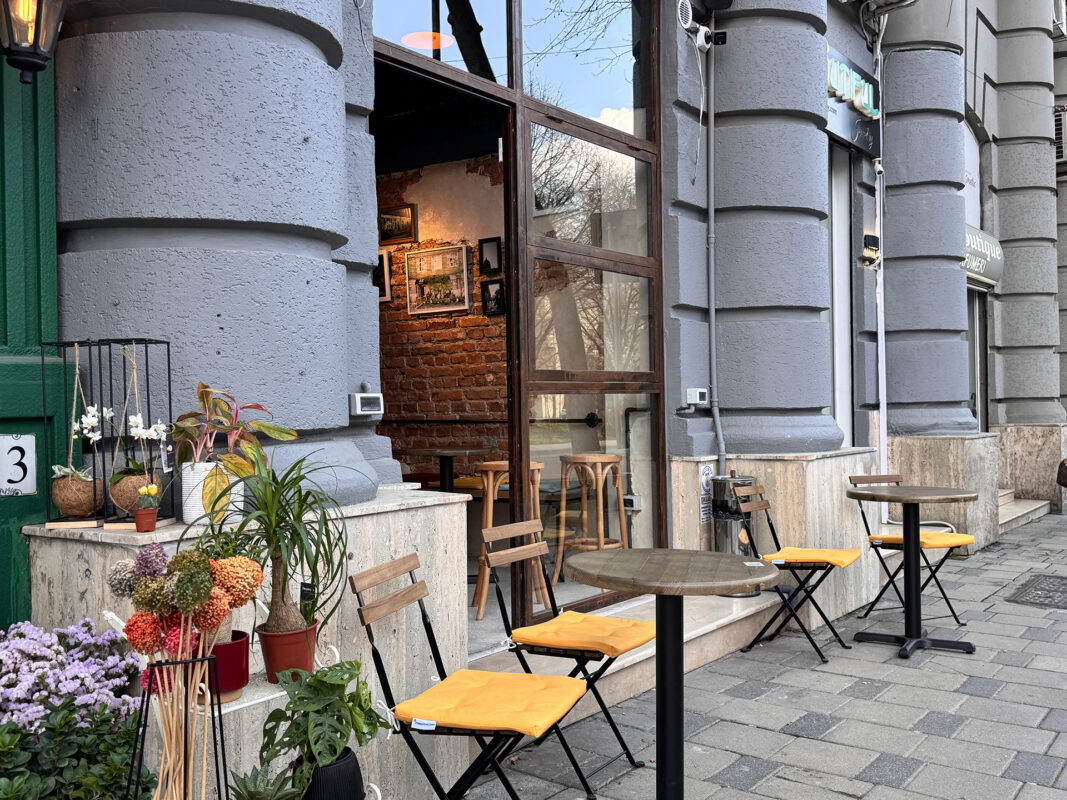
What started as a fruit delivery company but quickly evolved into coffee has become one of the most popular meeting places in Tirana. Like Rubi, they have locations in Bllok, Kommuna and the newly opened “Vögel” (meaning diminutive) specialty store on the Lana River. If you’re craving food with your coffee, head to Blloku and Kommuna. Acai and mango bowls are fun here, but the menu is extensive. They also serve a varied amount of blends and single origins, so you won’t sacrifice your cup.
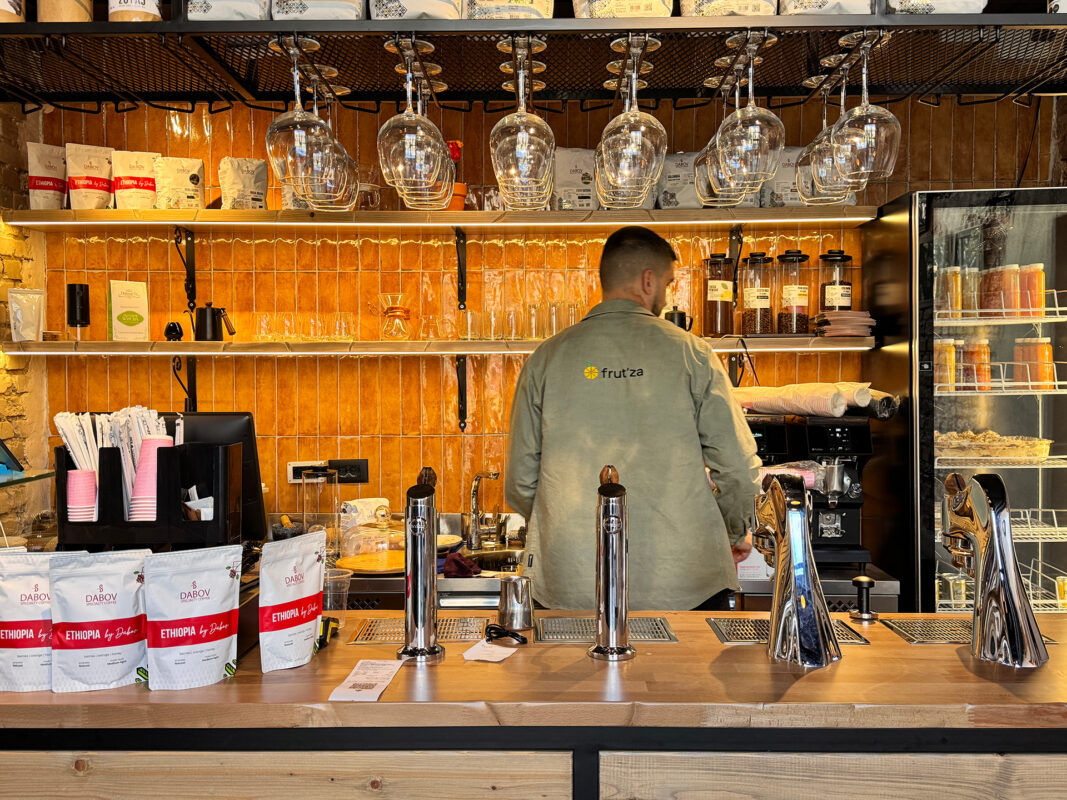
The up-to-date Vögel headquarters was specially designed as a specialist laboratory, so the main focus was on coffee. The food menu here is narrow to sandwiches and cakes and their famed juices (a hangover from the original fruit house). Frut’za they source their coffee from a Bulgarian roastery Dabowhosted by Jordan Dabov, the only Bulgarian juror of the Cup of Excellence. I enjoyed the Ethiopian pour over coffee which was balanced and sweet. I also opted for Colombian decaf, which was a fruity hit and made me think about why I hesitate to order decaf.
Pleasure
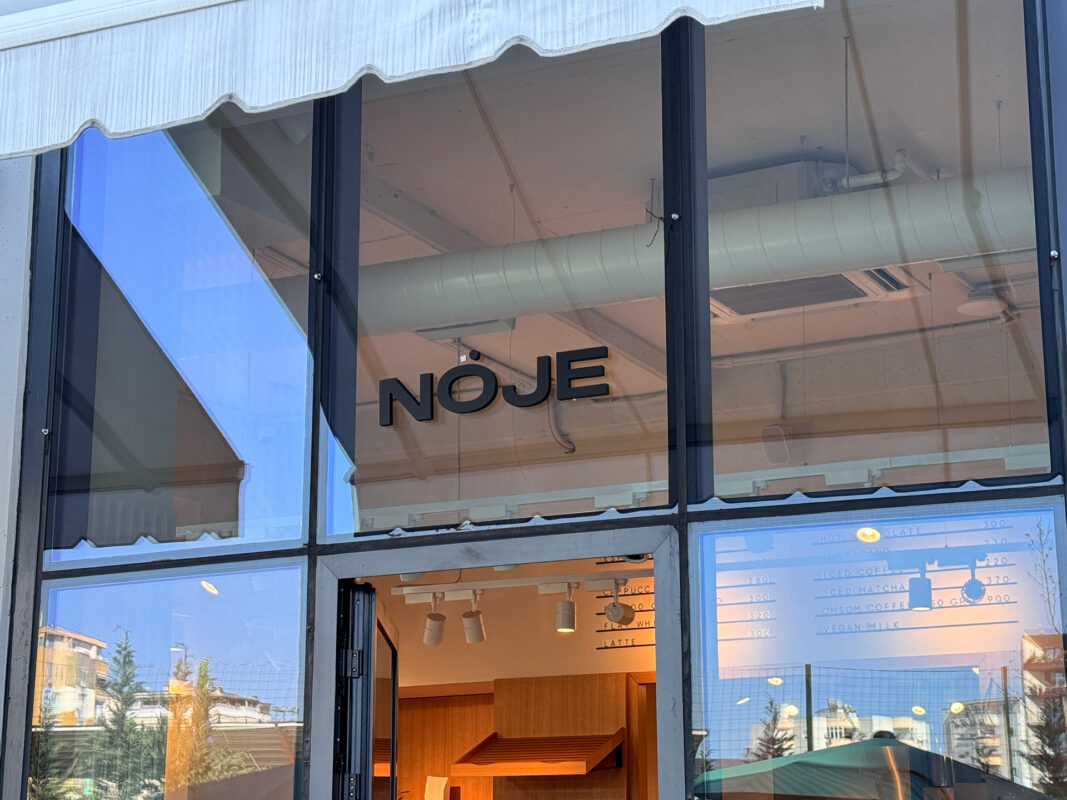
The fashion for Scandinavian bread has officially reached Albania. Opening in 2025 and inspired by a trip to Copenhagen, this café overlooks a vast patio where people can enjoy shining moments. Pleasure tirelessly offers a selection of eye-catching savory and sweet treats, and locals flock here, especially on Saturday mornings. Buttery, layered croissants attract morning customers and fly off the shelves.
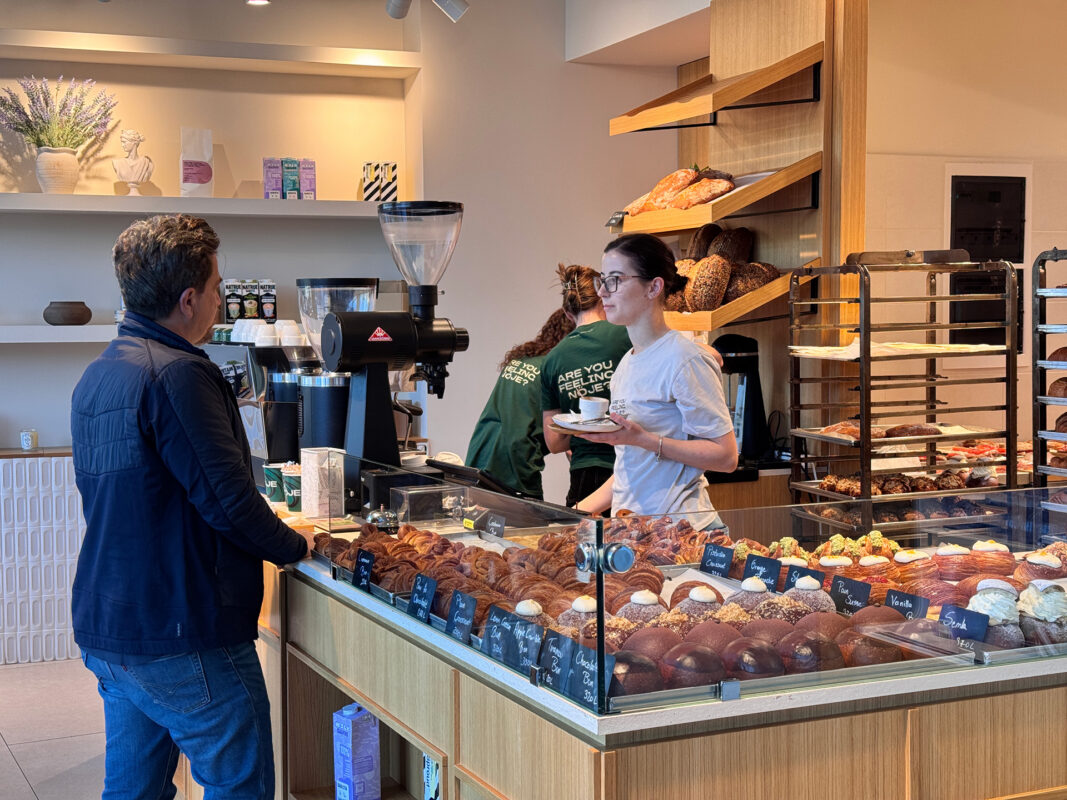
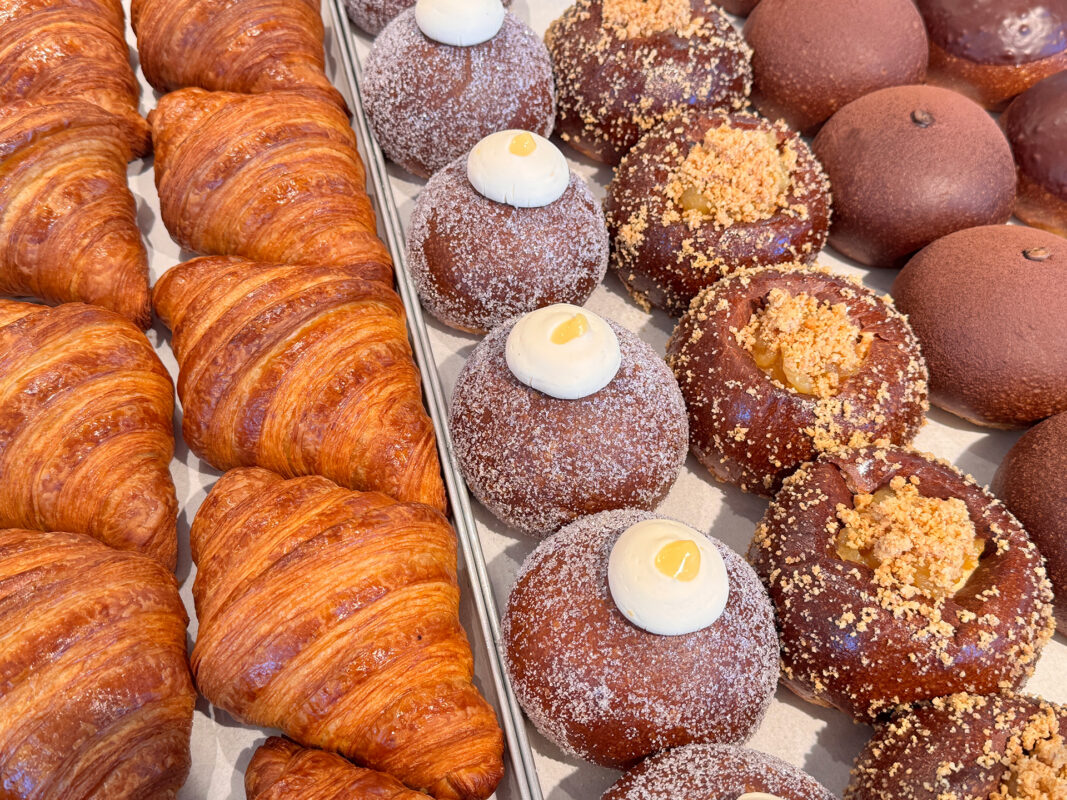
NÖJE serves Greek coffee Omsom Coffee Roasterswho share a sense of minimalism and aesthetics in their base in Athens. Thanks to the characteristic blend and single-origin coffees, the combination of cookies with floral Ethiopian filter coffee was a hit. I sat outside enjoying the sun while customers lounged on loungers and sipped iced coffee. The vast residential area nearby makes it an ideal meeting place for residents. This should definitely be a stop on your coffee trip in Tirana.
Hana Corner Cafe
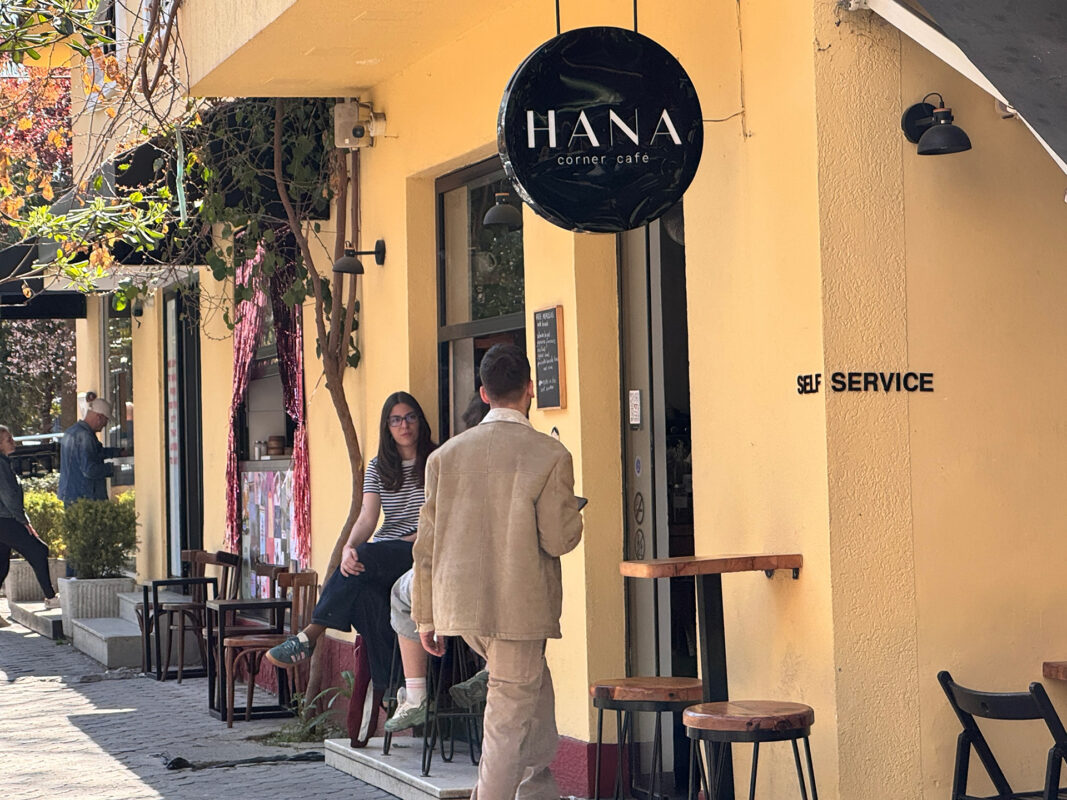
Hana fills the gap between the burgeoning specialty scene and locals who still prefer their coffee a little darker. Occupying a diminutive takeout window and tables extending beyond the street, the workflow is great for those on the go or looking to stay in. Their sweet treats are popular, and Hana proudly displays trays filled with blueberries, powdered sugar, figs and almond-crusted temptations. The remaining space on the counter is filled with iced cakes and fatty cookies.
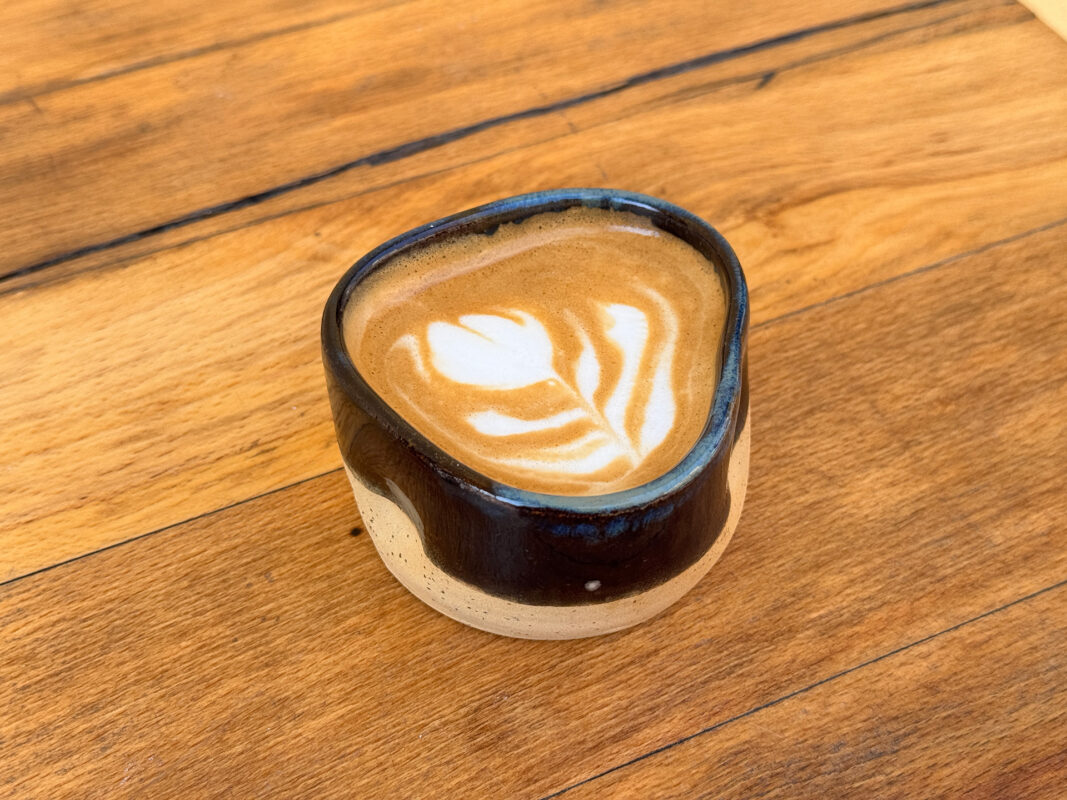
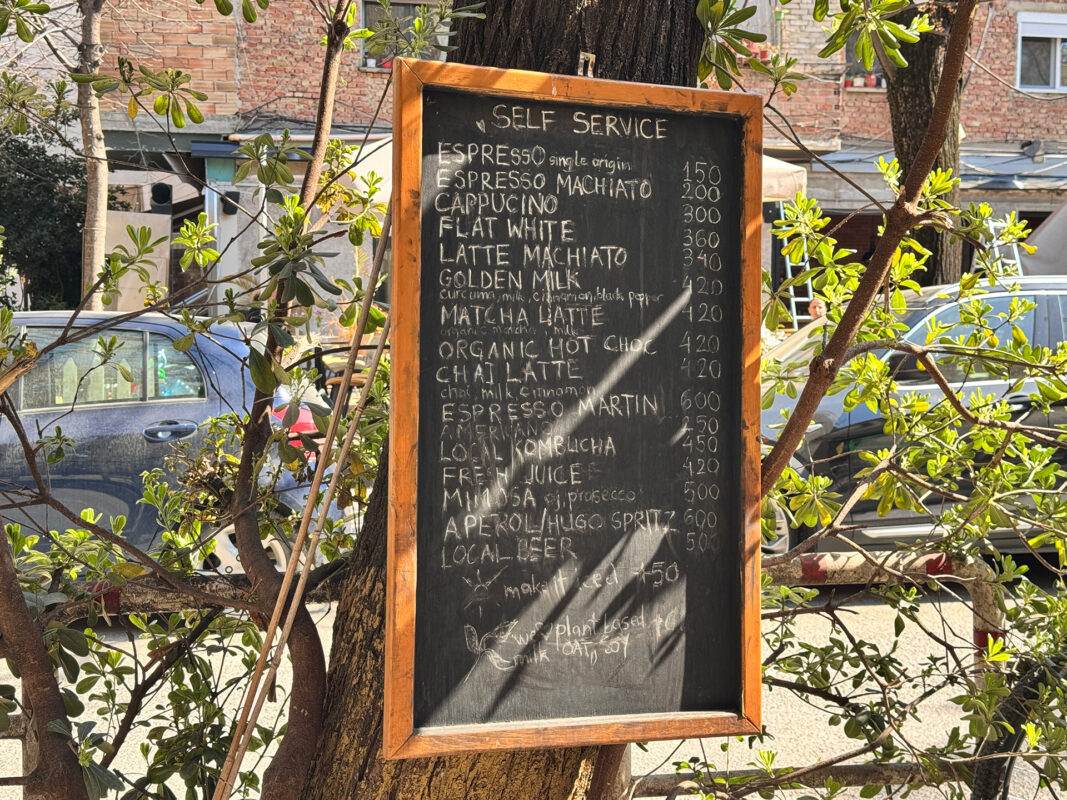
Hana covers all the bases, with matcha, alcohol, juices, balmy chocolate and all the typical espresso-based coffees. According to the registry, matcha chasen whisks are like a culinary chess set that will make them work. As you can imagine, they go through quite a lot in the trendy Bllok. The diminutive outdoor ledge was the perfect vantage point to sip a flat white beer, sit back and get an idea of what street life in Tirana is all about.
Mimosa in the corner
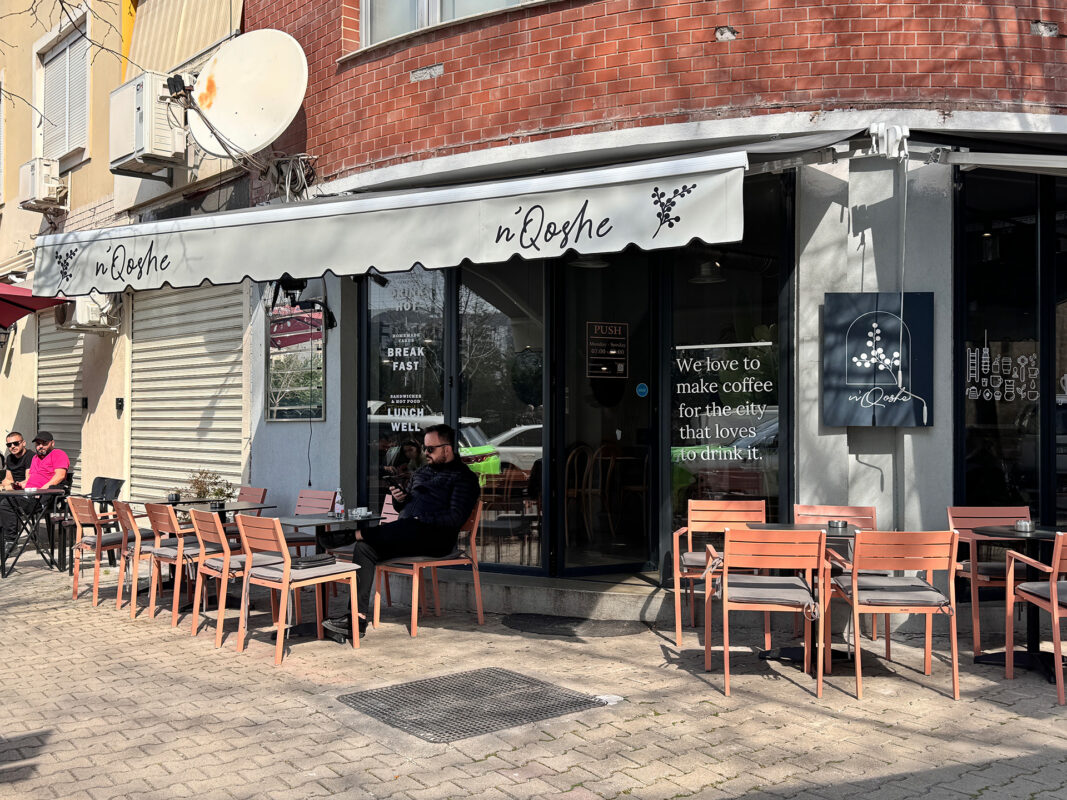
Hidden in plain sight, 80 meters from Nöje, it lies mimosa. A corner cafe with a surprisingly well-selected coffee menu. I would have passed by in blissful ignorance if the owner of Rubi hadn’t suggested I save it to my Google Maps. Mimoza imports coffee from reputable companies Nowhere Future Coffee Roasters Milan and is a great place to continue exploring the development of the Tirana scene. The staff are truly passionate about coffee and are joyful to explain how they discovered featherlight roast coffee and what they like and don’t like when it comes to the “natural vs. roasted” debate. Anaerobically fermented coffee is a bit of an “IT word” in Tirana these days, so if you prefer coffee from a purer point of view, mention it.
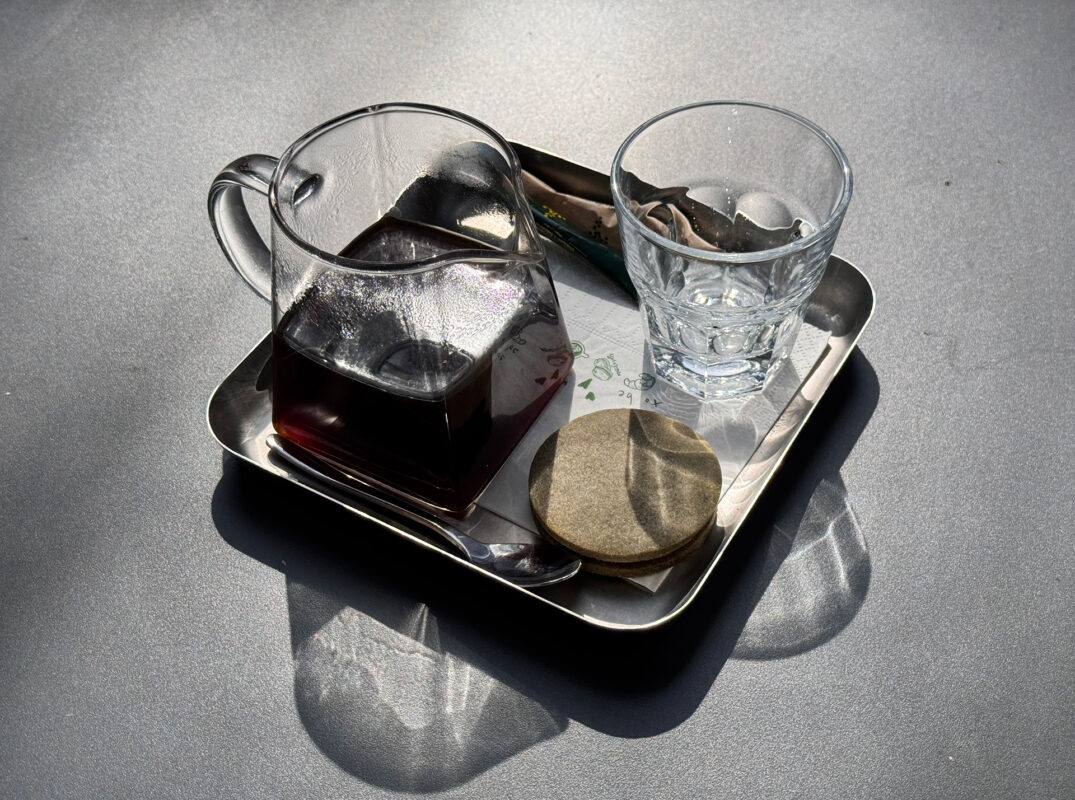
My Edinson Argote, an orange bourbon from Huila, Colombia, has a bold stone fruit punch, with hints of passion fruit and papaya. Mimoza has a welcoming indoor space for rainy days or for those who prefer to avoid cigarette smoke. Being a cafe with a vast food menu, this is an added bonus. It’s the Balkans after all!
Their slogan on the window is: “We love making coffee for a city that loves drinking it.” That pretty much sums up Tirana.