How to Make an Americano at Home (Easy Café Recipe)
The americano is proof that simple doesn’t mean boring. It’s just espresso and hot water, yet that small bit of dilution transforms an intense shot into a smooth, long, sippable cup that tastes a lot like drip coffee but with a deeper, rounder character. If you’ve ever wondered how to make an americano at home that actually rivals what your local café pulls, the good news is that you only need a few things and a couple of decisions to get right.
In this guide we’ll walk through what an americano really is, the gear you need, the ideal ratio and temperature, and the small details that separate a flat, watery cup from a balanced one.
What Is an Americano?
An americano is one or two shots of espresso topped with hot water. That’s it. The water lengthens the drink and softens espresso’s concentrated intensity, giving you a full-sized cup with a clean, mellow flavor and a thin layer of crema on top.
The name traces back to a popular story from World War II, when American soldiers stationed in Italy reportedly found straight espresso too strong and added hot water to stretch it into something closer to the drip coffee they were used to back home. Whether or not every detail of that origin is accurate, the drink stuck — and the “caffè americano” is now a fixture on menus worldwide.
It’s worth knowing how an americano differs from its close cousins:
- Long black: The same two ingredients in reverse order — espresso poured over hot water — which preserves more crema and gives a slightly more aromatic top.
- Lungo: A longer espresso shot pulled with more water through the same grounds, not diluted afterward. It tastes more bitter and extracted than an americano.
- Drip coffee: Brewed by passing water through a bed of grounds once. It has a lighter body than an americano, which carries espresso’s syrupy depth.
What You’ll Need
You don’t need a commercial setup, but you do need a way to make espresso or something close to it.
- An espresso source: An espresso machine is ideal, but a stovetop moka pot or an AeroPress can produce a strong, concentrated shot that works beautifully in an americano.
- Fresh coffee beans: A medium to dark roast is traditional and forgiving, though a medium roast lets more flavor through.
- A grinder: Grind fresh if you can. Espresso needs a fine, even grind, and freshly ground beans make a noticeable difference.
- Hot water: Just off the boil, ideally around 195–205°F (90–96°C).
- A mug: Six to eight ounces is a good size for a single-shot americano.
The Ideal Americano Ratio
The single most important decision is how much water you add to your espresso. Add too little and you’ve basically got a ristretto; add too much and the cup tastes thin and washed out.
A reliable starting point is a 1:2 to 1:4 ratio of espresso to water. In practice that looks like this:
| Style | Espresso | Hot Water | Result |
|---|---|---|---|
| Strong | 2 shots (~2 oz) | 2–3 oz | Bold, concentrated, close to straight espresso |
| Balanced | 2 shots (~2 oz) | 4–6 oz | Smooth and full — the classic café americano |
| Light | 1 shot (~1 oz) | 4–6 oz | Mellow, easy-drinking, lower in caffeine |
There’s no single correct answer here. Start in the balanced range, taste, and adjust the next cup. If it’s too intense, add more water. If it’s flat, pull back. Within a few tries you’ll dial in a ratio that’s yours.
How to Make an Americano at Home, Step by Step
1. Heat your water and your mug
Bring water to just off the boil. While it heats, pour a little hot water into your mug to warm it, then tip it out. A warm mug keeps your finished drink hotter for longer — a small step that makes a real difference, especially in a cold kitchen.
2. Pull your espresso
Grind about 18–20 grams of coffee fine, distribute it evenly in your portafilter, tamp firmly and level, then pull a double shot. You’re aiming for roughly two ounces of espresso in 25–30 seconds. If you’re using a moka pot or AeroPress, brew a strong, concentrated shot following your usual method.
3. Add the hot water
Here’s where you choose your order. For a standard americano, pour the hot water directly over the espresso. For a long black — which keeps more crema intact — add the hot water to the mug first, then pour the espresso on top.
4. Taste and adjust
Give it a gentle stir if you like, take a sip, and decide. Too strong? Splash in more hot water. Too weak? Note it and use less water next time. This taste-and-tweak loop is the fastest way to find your perfect cup.
Tips for a Better Americano
Once you’ve got the basic method down, a handful of small habits will push your americano from good to genuinely café-quality.
Mind your water temperature. Water that’s fully boiling can scald the espresso and accentuate bitterness. Let a boiled kettle rest for 30 seconds before pouring, or aim for that 195–205°F window.
Use fresh, quality beans. Because an americano has so few ingredients, the coffee itself is doing nearly all the work. Beans roasted within the last few weeks, ground just before brewing, taste dramatically better than stale pre-ground coffee.
Don’t drown it. The most common home mistake is adding so much water that the drink loses its body. When in doubt, add less — you can always top it up.
Try the long black. If you love crema and aroma, pouring espresso over water rather than the other way around is a worthwhile experiment. Many people find it tastes noticeably brighter.
Match your roast to your mood. Darker roasts give a classic, chocolatey, low-acid americano. Lighter roasts bring out fruit and acidity that some drinkers love and others find surprising in a long black drink.
How Much Caffeine Is in an Americano?
An americano’s caffeine comes entirely from the espresso, not the water, so it’s determined by how many shots you use. A single shot of espresso contains roughly 60–80 milligrams of caffeine, and a double lands somewhere around 120–160 milligrams. Adding hot water changes the volume and flavor but not the caffeine total — a large, diluted americano made with one shot still has less caffeine than a small, strong one made with two.
That makes the americano surprisingly flexible. Want a big morning cup without a big jolt? Use a single shot and more water. Need a serious wake-up? Two shots, less water.
Hot vs. Iced Americano
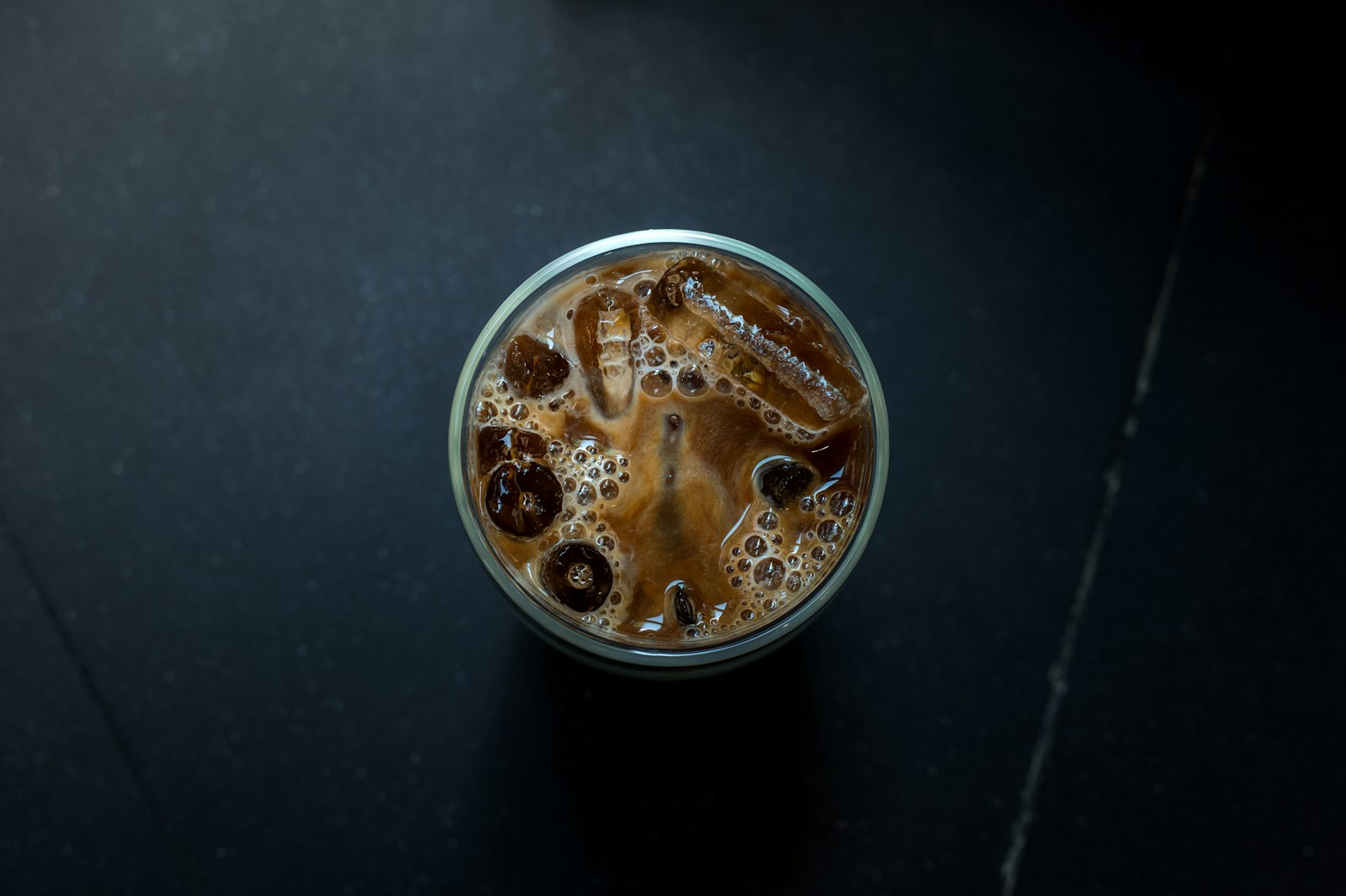
An iced americano follows the same logic with one adjustment: pour your espresso over a glass of cold water and ice instead of hot water. Because the espresso hits the ice immediately, an iced americano tastes crisp and refreshing while keeping that espresso depth. Pull your shot a touch stronger than usual, since the melting ice will dilute it as you drink.
Common Questions
Can I make an americano without an espresso machine?
Yes. A moka pot or AeroPress both produce a concentrated, espresso-like coffee that works well. The crema won’t be quite the same, but the flavor will be close, and the method — strong coffee plus hot water — is identical.
Should I add milk or sugar?
An americano is traditionally taken black, which lets the espresso’s character shine. That said, there are no rules at home. A splash of milk turns it into something closer to a long, mellow coffee, and a little sugar can round off a darker roast’s edges.
Why does my americano taste bitter?
Bitterness usually comes from over-extraction or water that’s too hot. Try a slightly coarser grind, a shorter shot, or cooler water. If you’re using a very dark roast, switching to a medium roast can also soften the bitterness considerably.
The Takeaway
Learning how to make an americano at home comes down to two things: a decent shot of espresso and the right amount of hot water. Start with a balanced ratio of around one part espresso to three or four parts water, use fresh beans and properly heated water, and taste as you go. From there it’s all personal preference — stronger or lighter, hot or iced, black or with a splash of milk. Once you’ve found your ratio, you’ll have a reliable, café-quality cup waiting in your own kitchen any time you want it.
If you want to branch out from here, try our guides on how to make a latte at home and dialing in your coffee-to-water ratio for other brewing methods.
— Caffeinated Times