How to Make Cuban Coffee (Cafecito) at Home
If you have ever sipped a tiny cup of Cuban coffee and wondered how something so small could pack such a sweet, syrupy punch, you are not alone. The magic is not an expensive machine or a secret bean. It is a whipped sugar foam called espuma, and once you learn the trick, you can make authentic Cuban coffee at home with a humble stovetop pot.
This guide walks you through the whole ritual: what Cuban coffee actually is, the gear you need, the espuma technique that defines it, and the popular variations like the cortadito and the colada. Plain language, no jargon, and a result that tastes like a Miami ventanita.
What Is Cuban Coffee?
Cuban coffee, known in Spanish as café cubano or affectionately as a cafecito, is a small, intensely sweet shot of espresso-style coffee. It is brewed strong and dark, then sweetened in a very particular way: a spoonful of the first drops of hot coffee is whipped with sugar until it turns into a pale, creamy foam. That foam is the heart of the drink.
The result sits somewhere between an espresso and dessert. It is served in a small demitasse cup, usually after a meal or as an afternoon pick-me-up. In Cuban and Cuban-American culture, sharing a cafecito is less about the caffeine and more about the pause it creates in the day.
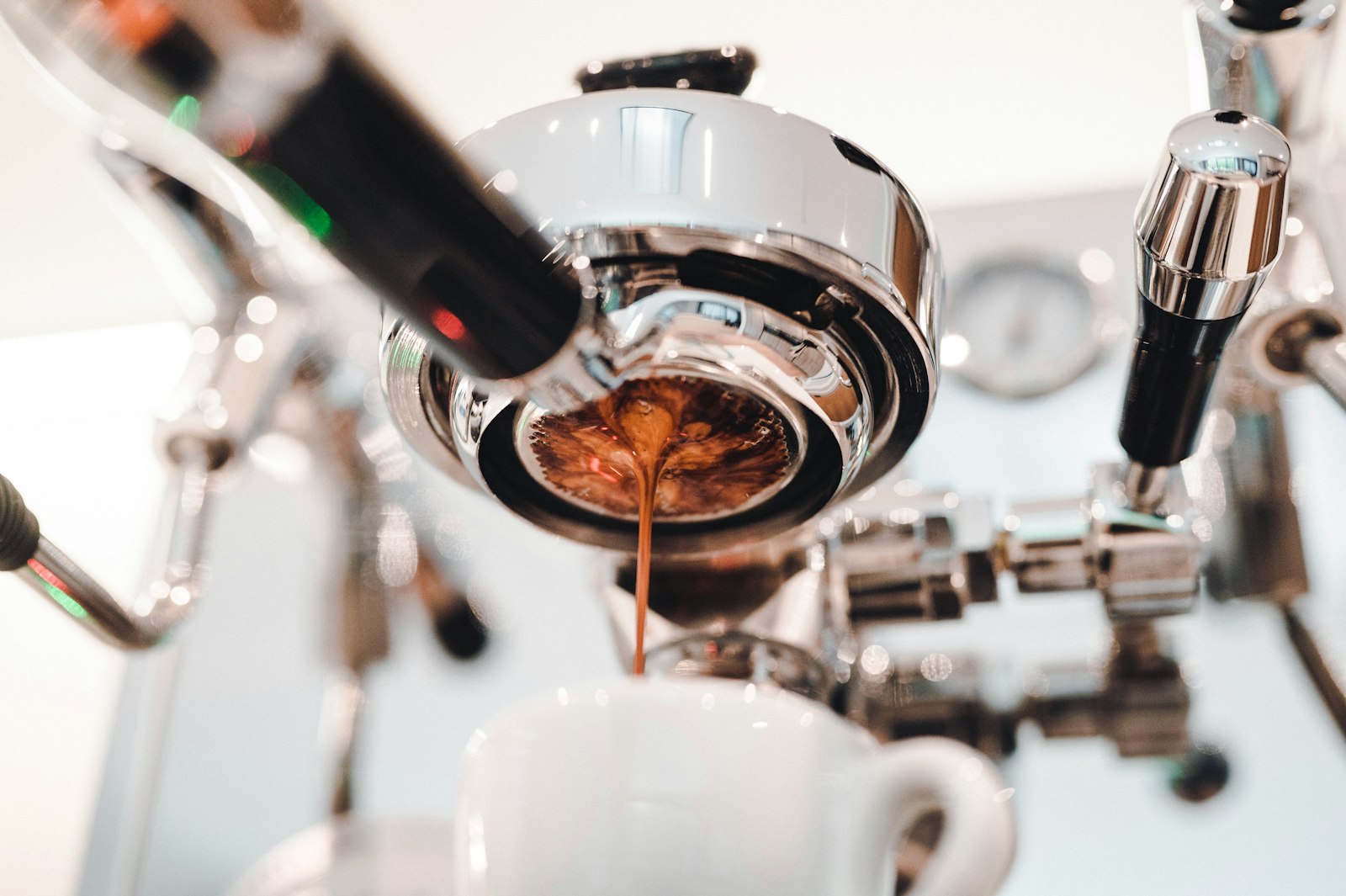
One important clarification: traditional Cuban coffee at home is almost never pulled from a pump espresso machine. It is brewed in a stovetop moka pot, which produces a concentrated, espresso-like coffee that is perfect for this style. If you want a refresher on that brewer, our guide on how to use a moka pot pairs nicely with this recipe.
The Secret Is the Espuma
Espuma simply means “foam,” and it is what separates real Cuban coffee from a regular sweetened espresso. When you vigorously whip sugar with the very first, most concentrated drops of brewed coffee, the sugar partially dissolves and traps tiny air bubbles. This creates a thick, light-brown crema that floats on top of the cup and gives every sip a velvety sweetness.
The reason it works is timing. Those first drops out of a moka pot are the strongest and most syrupy of the whole brew, so they whip up into a stable foam far better than later, more watery coffee would. Miss that window and you will still get sweet coffee, just without the signature foam crown.
What You Need
- A stovetop moka pot (also called a cafetera) — a 3 or 6 cup size is ideal for home.
- Dark-roast, finely ground coffee — espresso grind. Widely available Cuban-style brands such as Cafe Bustelo, Cafe La Llave, and Pilon are made for exactly this.
- Granulated white sugar — this is non-negotiable for a true cafecito; the sugar is part of the recipe, not an afterthought.
- A small metal or ceramic cup and a sturdy spoon for whipping the espuma.
- Demitasse cups to serve.
That is genuinely it. No grouphead, no steam wand, no scale required, though if you like precision, our notes on the ideal coffee-to-water ratio can help you dial in strength.
Choosing the Right Coffee
Cuban coffee leans into a bold, dark profile. Look for a dark roast labeled for espresso, ground fine. The pre-ground Cuban-style brands mentioned above are popular because they are inexpensive, consistently dark, and ground correctly for a moka pot straight out of the bag.
If you prefer to grind your own, aim for a fine espresso grind, a little finer than table salt but not powdery. Too coarse and the coffee comes out weak and sour; too fine and the pot can clog or turn bitter. A medium-fine to fine setting on a quality grinder is the sweet spot.
How to Make Cuban Coffee, Step by Step
1. Fill the base with water
Unscrew the moka pot and fill the bottom chamber with fresh water up to the safety valve, the little metal button on the inside wall. Do not cover it.
2. Add the coffee
Fill the metal funnel basket with your fine, dark-roast coffee. Level it off with your finger but do not tamp it down hard the way you would for a real espresso machine. A gentle level fill lets steam pass through evenly.
3. Assemble and heat
Screw the top onto the base snugly and place the pot on medium heat. High heat scorches the coffee and makes it bitter, so resist the urge to rush it.
4. Prep your sugar
While the pot heats, add 2 to 3 teaspoons of sugar to your small whipping cup. This is a starting point; adjust to taste once you know your preference. Many cafecito lovers use roughly a teaspoon of sugar per shot.
5. Capture the first drops
Watch the pot closely. As soon as the first dark, syrupy coffee begins to trickle into the top chamber, spoon out about a teaspoon or two of that first coffee and pour it over your sugar. Then return the pot to low heat to finish brewing.
6. Whip the espuma
Now whip vigorously. Stir and beat the sugar and coffee together with your spoon until the mixture lightens in color and thickens into a pale, creamy paste, about a minute of energetic stirring. This is your espuma. The more you whip, the airier and more stable it gets.
7. Combine and serve
When the moka pot finishes gurgling, take it off the heat. Slowly pour the hot coffee into your cup of espuma while stirring gently. The foam will rise to the surface, leaving a beautiful light crown on top. Pour into demitasse cups and serve right away.
Sugar and Strength: Getting the Balance Right
Cuban coffee is meant to be sweet, but “sweet” is personal. As a rough guide, a single cafecito uses about one teaspoon of sugar per small shot. A shared colada for four might use three to four teaspoons total. Start on the lower end and add more next time if you want it sweeter, since you cannot remove sugar once it is whipped in.
For strength, the variables are your grind and your heat. Finer grind and gentler heat give a richer, more concentrated cup. If your coffee tastes thin, grind a touch finer or use a little more coffee in the basket. If it tastes harsh and burnt, lower the heat and pull the pot off as soon as it finishes.
Popular Variations to Try
Cortadito
A cortadito is a cafecito softened with a splash of warm or steamed milk, usually around a 50/50 or 2-to-1 coffee-to-milk ratio, and still sweetened with espuma. Think of it as the smaller, sweeter Cuban cousin of a cortado.
Colada
A colada is a larger batch of sweetened Cuban coffee served in a styrofoam or paper cup with a stack of tiny plastic demitasse cups for sharing. It is the classic office or family pick-me-up, designed so everyone gets a couple of sips.
Cafe con Leche
Cafe con leche is the breakfast version: strong Cuban coffee combined with a large amount of hot, sometimes frothed, milk, sweetened to taste. It is milder and creamier, often enjoyed with toasted Cuban bread for dipping.
Troubleshooting Common Problems
- No foam forms: You probably missed the first drops or did not whip long enough. The first, syrupy coffee is essential; later coffee is too watery to foam well.
- Coffee tastes bitter or burnt: Your heat is too high. Brew on medium and remove the pot the moment it finishes sputtering.
- Coffee is weak and sour: The grind is too coarse or there is not enough coffee in the basket. Go finer and fill the basket fully.
- Pot sputters violently: Heat is too high or the basket is packed too tightly. Lower the flame and only level the grounds, never tamp.
A Quick Reference Cheat Sheet
| Element | Recommendation |
|---|---|
| Brewer | Stovetop moka pot |
| Roast | Dark, espresso-ready |
| Grind | Fine (espresso), not powdery |
| Sugar | ~1 tsp per shot, to taste |
| Heat | Medium, never high |
| Key move | Whip first drops with sugar |
The Takeaway
Making Cuban coffee at home comes down to one essential skill: whipping the first concentrated drops of a moka-pot brew with sugar to build a creamy espuma. Nail that, brew on gentle heat with a dark, finely ground coffee, and you will have an authentic cafecito in minutes, no expensive machine required.
Once the basic cafecito feels comfortable, branch out into a cortadito or a sharable colada. The technique is the same; only the proportions change. If you are still building your home setup, our walkthrough on how to make espresso at home is a great companion for exploring strong, concentrated coffee styles.