

The good: Keeping the coffee plant alive.
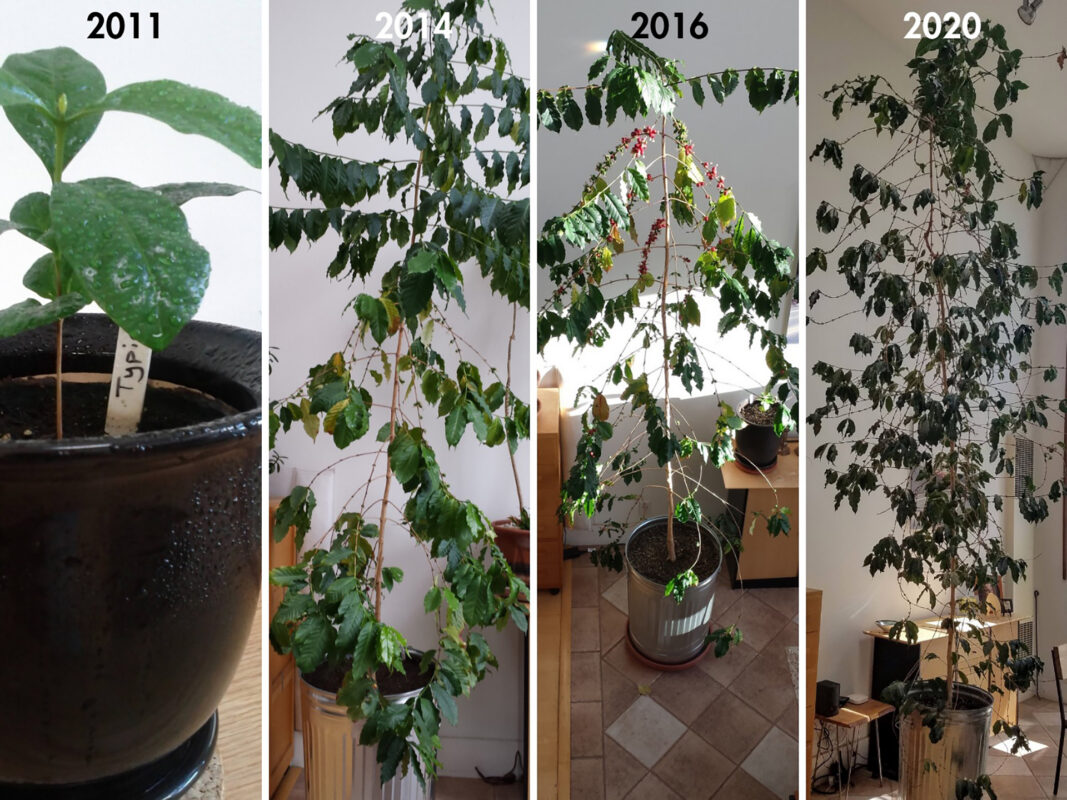
Better: growing to three feet towering.
Best: Flowering and cherry production.
For many indoor houseplant enthusiasts, flowering is a bonus they don’t expect, especially if the environment doesn’t mirror the plant’s native conditions. Even having a few flowers on an indoor coffee plantation is a major achievement, let alone producing enough for processing. I had the pleasure of talking to Larry Berger, a coffee lover and owner of an amazing Typica coffee plantation that has produced thousands of cherries around the world. Three subsequent harvest seasons and more after bunching.
Berger received his plant as a miniature soldier (one inch towering) from a Bay Area coffee specialist in 2011 and nurtured it to its current tree size. In 2020, it was reaching too close to his 5-foot ceiling and becoming spindly, so he tripped him. The flowers started appearing two years later and have appeared every year since.
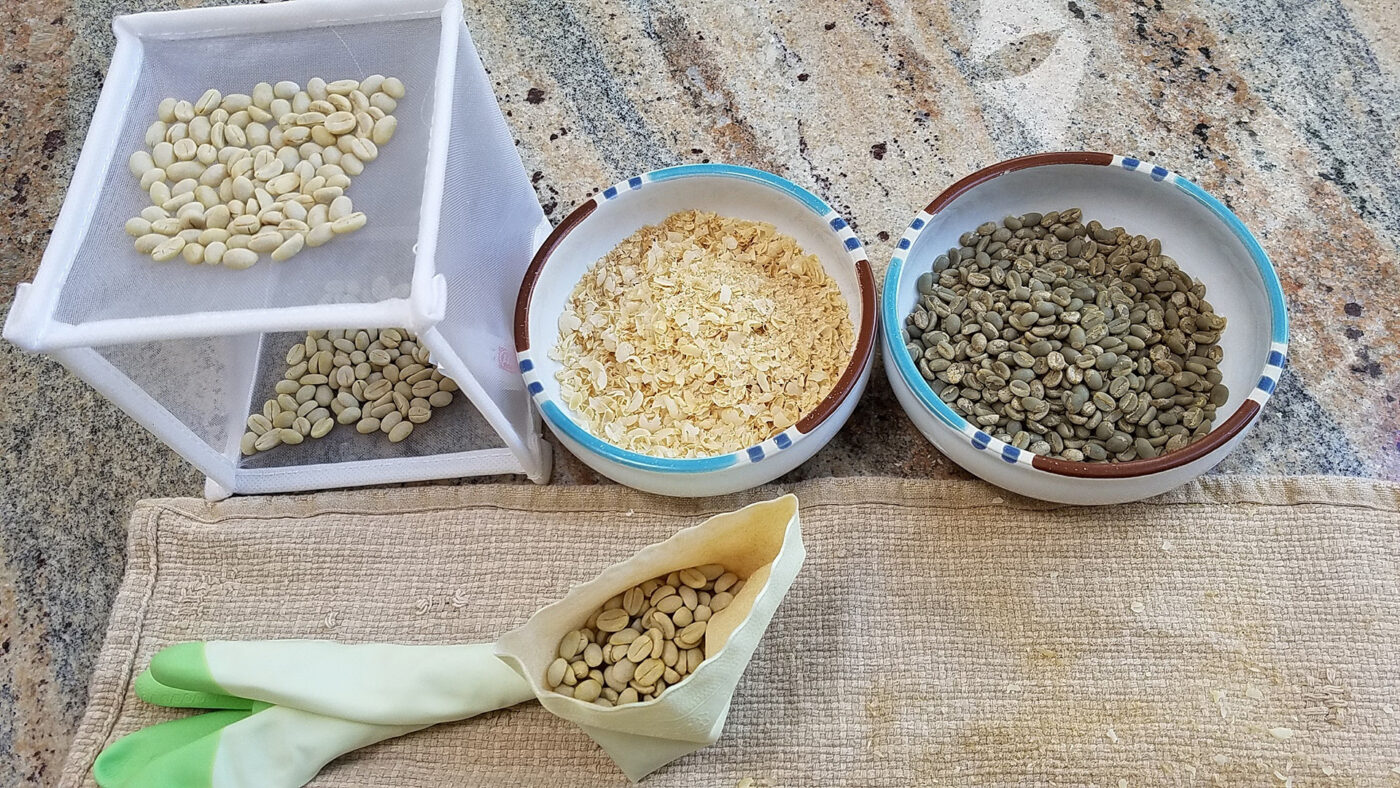
Its nanosheets have been subjected to a unique processing method; some might say it was an experimental washing process. Removing the cherry skin was effortless, but the slime was a challenge. “What really worked was picking out as many cherries as possible and putting them in your mouth,” he says. “And basically employ your teeth to remove it; remove all the mucus.” He assured me that he rinsed them all thoroughly afterwards. To droughty, he turned the IKEA mesh drawers on their sides to create a mini raised bed. A few weeks later, he placed the dried seeds in a rubber glove and rolled them up to remove the parchment.
Berger brought his first harvest Four Barrelswhere he was advised to blend 18.3g of processed green coffee with Maragogipe, one of the largest coffee beans, and then try roasting it. The test roaster needed at least 100g to roast; so he later sorted his production carefully and by hand.
Just for fun, Berger wrote down his tasting notes and description to match the Four Barrel cards.
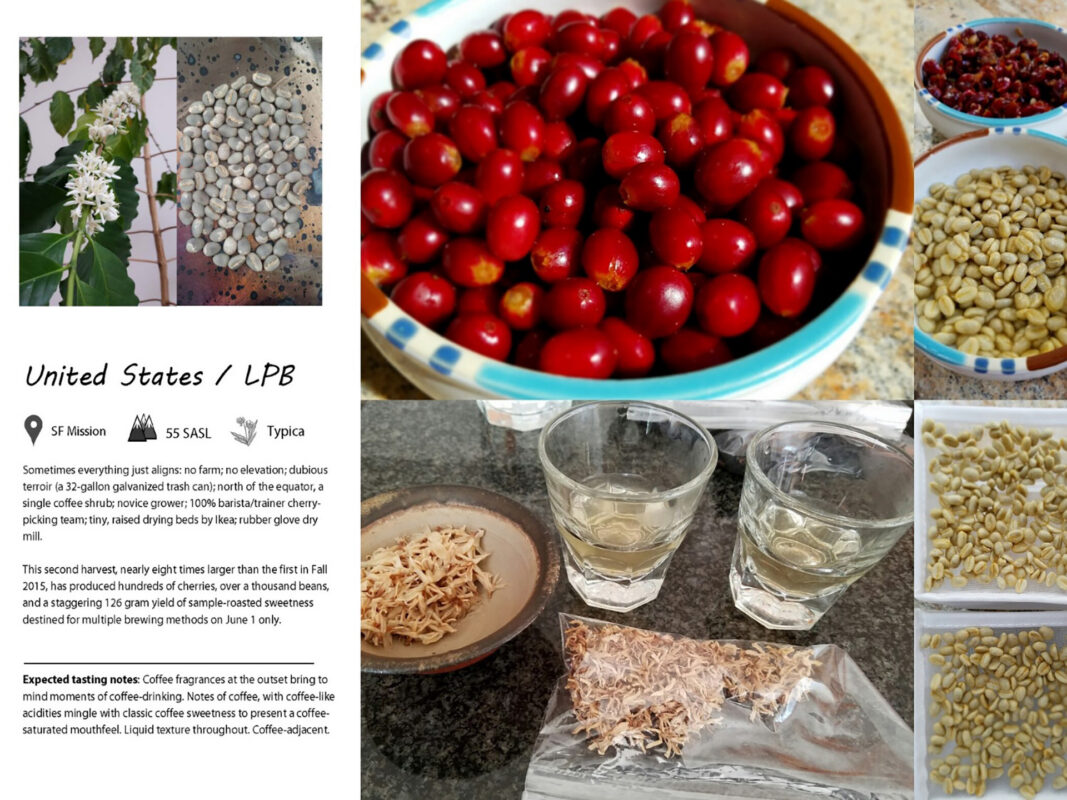
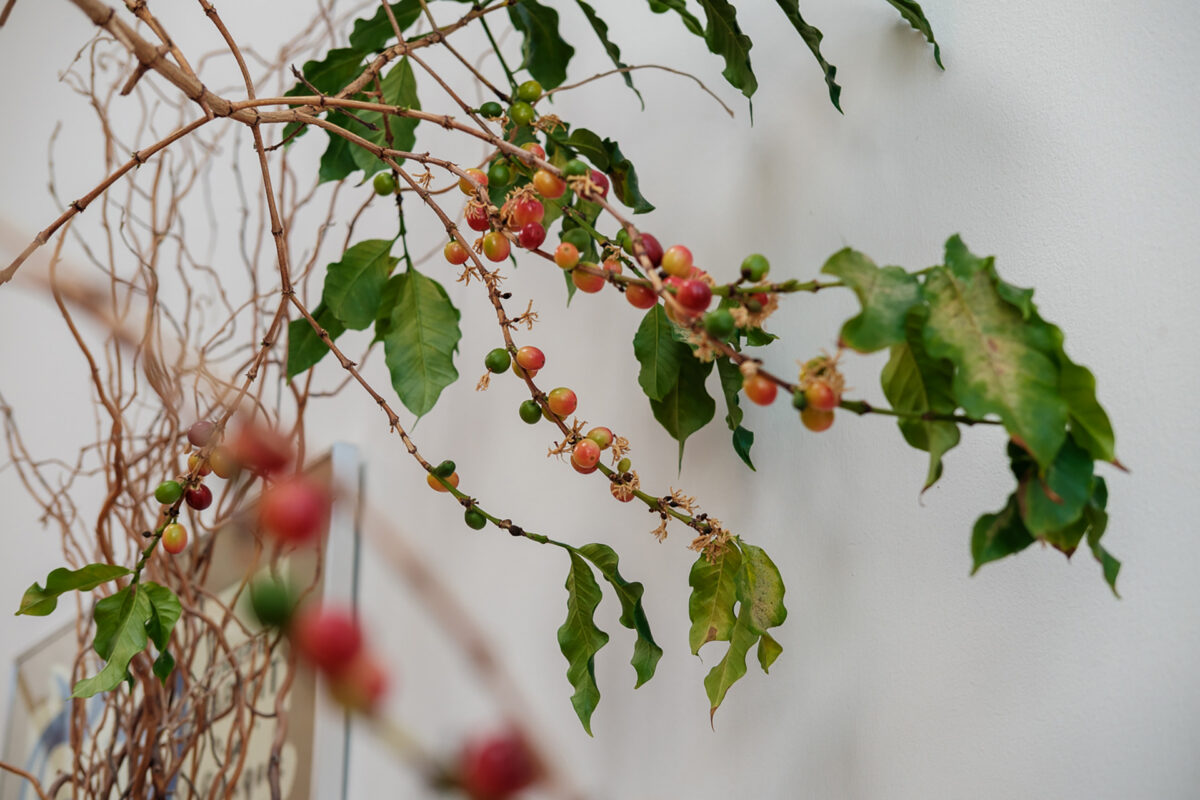
A few weeks after the interview, I visited the tree in person and was amazed by the over 300 cherry trees growing on its branches. Remember we are in San Francisco, 55 SASL. This really showed how essential the environment is to the growing conditions of potted plants. It’s a sun-drenched attic with a wall of windows and several skylights. With these ideal growing conditions, you are already miles ahead.
Going back to when you said you were dealing with it, why did you decide to do it? Was it because he was getting too towering or did you want to cut someone up?
He was going to hit the ceiling, even at 16 feet, and it didn’t look good. All the fresh growth was at its peak; it was quite soaked, not very hearty. I was very worried, I thought that was the end of the whole thing, but many years had passed. A coffee farmer I bumped into somewhere or through someone in the coffee business said, “No, no, the common practice is to pound them a long time ago and then they start a fresh life,” so I got a lot of advice on how to do that. It looks better than before. It is much shorter, but a bit bushier.
I have never before appreciated what is behind drinking a cup of coffee, i.e. hundreds of beans. Someone did it. Even with machines – I saw many photos of the beginning – but I appreciated it all again because growing a tree is an extremely labor-intensive process from start to finish. Removing pulp, grinding, sorting, roasting.
And this is one tree.
Normal. I work in such quantities that it’s not even a bag. That is, my record yield is about one-third of a 12-ounce bag.
One thing I probably did well was continue to match the size of the pot to the size of the tree or size of the shrub. I transplanted it into larger and larger pots, but it was quite a challenge. My wife and I cleared space on this gigantic table and ended up converting this 5-foot-tall thing into a 32-liter trash can. You want the roots to grow vertically, and that is more essential than the circumference of the pot.
The next harvest yielded 127 g of roasted coffee, followed by a very diminutive harvest that was not roasted. Instead, he donated them to local baristas.
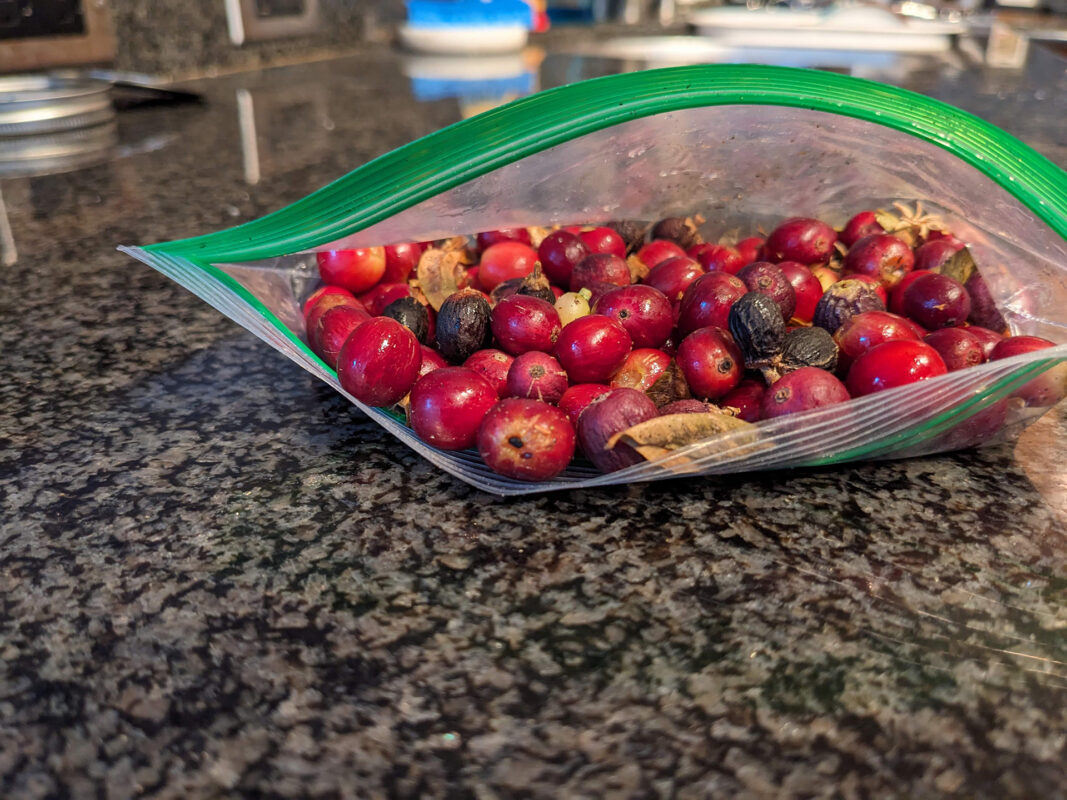
I would give people ripe cherries – I know a group of people who drink coffee and it was nice to give them cherries. Baristas I’ve met just by visiting coffee shops – they may have never seen or tasted a real cherry, so I did it a few times. I will definitely continue to do this during the upcoming harvest because it’s fun to share it with people. They can’t make it to Origin, but they can get a fully ripe cherry that I picked an hour earlier.
At the end of my visit, I tasted one deep red cherry and then immediately placed the seeds in a damp paper towel. Fingers crossed that one of them sprouts!

